Quick answer
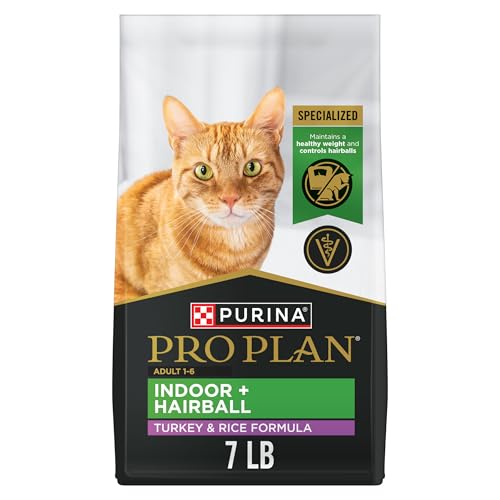
Our top pick for hairball control cat food with turkey is Hill’s Science Diet Adult Hairball Control Chicken & Turkey Recipe Dry Cat Food. It combines natural fiber with high-quality turkey to help reduce hairballs. For cats with sensitive stomachs, Purina Pro Plan Hairball Management Turkey & Oat Meal Formula is a strong runner-up. If you prefer wet food, Blue Buffalo Tastefuls Hairball Control Turkey Entree offers moisture-rich nutrition.
What to consider for Hairball Control Cat Food With Turkey
Hairball control cat food typically contains added fiber to help move hair through the digestive tract. Turkey is a lean, highly digestible protein that many cats enjoy. When choosing a food, look for a named meat source (like turkey or chicken) as the first ingredient, adequate fiber (around 3-5% crude fiber for dry food), and a balance of omega fatty acids for skin and coat health. Also consider your cat’s age, weight, and any underlying health conditions. Wet food can help with hydration and may reduce hairballs, but dry food is often more convenient. Always transition slowly over 7-10 days to avoid digestive upset.
What to look for in a cat food
First, ensure the food meets AAFCO nutritional standards for your cat’s life stage (kitten, adult, or senior). Look for a named meat or poultry as the first ingredient, such as turkey or chicken. Animal protein should be the primary source, with taurine added (essential for heart and eye health). For hairball control, fiber sources like cellulose, beet pulp, or psyllium are common. Moisture content matters: wet food (around 78% moisture) supports urinary health, while dry food (about 10% moisture) is more calorie-dense. Choose a formula tailored to your cat’s specific needs, such as indoor or weight management.
How we chose these picks
- Analyzed ingredient lists for named turkey or poultry as first ingredient
- Verified AAFCO nutritional adequacy statements for adult maintenance or all life stages
- Evaluated fiber content and sources (e.g., natural fiber vs. added cellulose)
- Checked for added taurine and essential fatty acids
- Considered brand reputation and recall history
- Read customer reviews for palatability and digestive tolerance
- Compared price per pound to ensure value
- Never ranked a product higher just because it pays a commission
What to avoid
- Avoid foods with unnamed meat or by-products as the first ingredient
- Steer clear of recipes with insufficient animal protein (less than 30% crude protein for dry food)
- Do not choose a food that lacks a taurine guarantee or has low taurine levels
- Be cautious with all-life-stages foods for kittens or seniors without checking specific nutrient profiles
- Never switch your cat’s food abruptly; always transition over 7-10 days to prevent vomiting or diarrhea
For more guidance, visit our cat guides, cat food, and cat health pages.