Quick answer
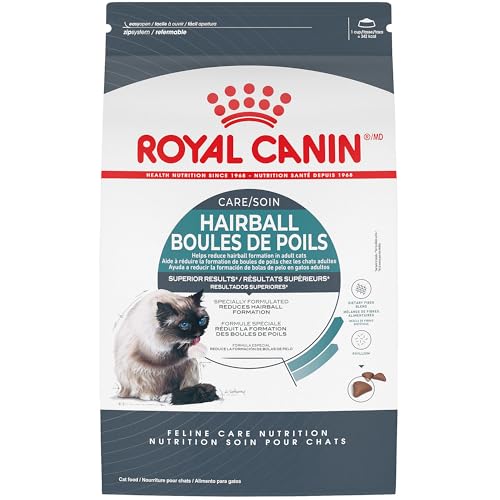
Our top pick is Hill’s Science Diet Adult Hairball Control Chicken Recipe. It combines natural fiber to help reduce hairballs with high-quality chicken protein. For cats with sensitive stomachs, Royal Canin Hairball Care is a great alternative. If you need a budget-friendly option, Purina ONE Hairball Formula offers solid nutrition at a lower price.
What to consider for Hairball Control Cat Food Without Fish
Hairball control cat foods typically rely on increased fiber to help move hair through the digestive tract. When avoiding fish, you need a formula that uses alternative animal proteins like chicken, turkey, or lamb. Fiber sources such as cellulose, psyllium, or beet pulp are common. Ensure the food is complete and balanced for your cat’s life stage. Cats with food sensitivities may benefit from limited ingredient diets without fish. Always transition gradually over 7 to 10 days to avoid digestive upset.
What to look for in a cat food
Look for an AAFCO statement confirming the food is complete and balanced for your cat’s life stage (adult, kitten, or senior). The first ingredient should be a named meat like chicken or turkey. Adequate animal protein (typically 30-40% dry matter) and taurine (essential for heart and eye health) are critical. For wet food, higher moisture content supports urinary health. Choose a formula suited to your cat’s age and any health conditions. Avoid artificial colors, flavors, and preservatives.
How we chose these picks
- We reviewed ingredient lists to ensure no fish or fish-derived ingredients.
- We prioritized foods with named meat as the first ingredient.
- We checked for adequate fiber content (2-5% crude fiber) for hairball control.
- We verified AAFCO nutritional adequacy statements for the appropriate life stage.
- We considered brand reputation and manufacturing quality standards.
- We read customer feedback to identify common benefits and drawbacks.
- We compared price per pound to find options for different budgets.
- Never ranked a product higher just because it pays a commission.
What to avoid
- Avoid foods that list a generic meat meal (e.g., “poultry meal”) without naming the species.
- Steer clear of recipes with insufficient animal protein (below 30% dry matter) or that rely heavily on plant proteins.
- Do not choose a food that lacks a taurine supplement or has a low taurine level.
- Be cautious with all-life-stages foods for kittens or seniors unless the nutrient profile matches their specific needs.
- Avoid abrupt diet changes; always transition slowly over 7 to 10 days.
For more guidance, explore our cat guides, cat food, and cat health resources.