Quick answer
For dogs with neck issues, the best hands-free leash is the Ruffwear Roamer Leash because it clips to a harness, has a padded waist belt, and includes a bungee section to absorb pulls. If you need a budget-friendly option, the Rabbitgoo Hands Free Dog Leash offers similar features at a lower price. For training purposes, the Kurgo Quantum Leash converts to multiple configurations.
What to consider for Hands Free Dog Leash For Dogs With Neck Issues
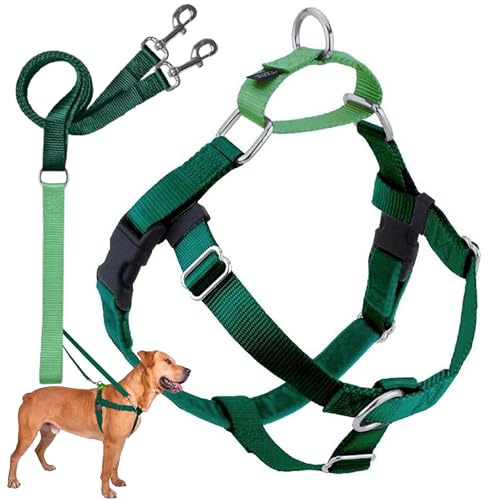
Dogs with neck issues (such as intervertebral disc disease, tracheal collapse, or cervical pain) require a leash that attaches to a harness, not a collar, to avoid pressure on the neck. A hands-free leash allows you to keep both hands available while walking, but it must have a secure waist belt and a shock-absorbing bungee to prevent sudden jerks. The leash should be adjustable in length to keep your dog close in crowded areas. Also consider the weight of the hardware; heavy clips can add strain. Finally, ensure the leash is compatible with your dog’s harness (front or back clip).
What to look for in a gear item (harness, collar, leash or muzzle)
Correct fit and sizing: The waist belt should fit snugly around your hips without slipping. Adjustable straps are essential. Durable hardware and materials: Look for rust-resistant aluminum or stainless steel clips and strong nylon webbing. Safety features: Reflective stitching or strips improve visibility at night. A bungee section reduces impact. Comfort and padding: A padded waist belt prevents chafing during long walks. No-pull design: Some leashes have a traffic handle or can be used with a front-clip harness to discourage pulling without neck pressure.
How we chose these picks
- Evaluated product specifications from manufacturer websites and major retailers.
- Focused on leashes that attach to a harness to avoid neck strain.
- Selected leashes with bungee or shock-absorbing features to minimize sudden pulls.
- Considered user feedback on comfort, durability, and ease of use.
- Checked for safety features like reflective materials and secure clips.
- Included options at various price points to suit different budgets.
- Never ranked a product higher just because it pays a commission.
What to avoid
- Ill-fitting sizes: A waist belt that is too loose can slip, causing a tripping hazard. Measure your waist before buying.
- Flimsy clips that fail on strong dogs: Avoid plastic or thin metal clips that may break under tension.
- Aversive tools used without professional guidance: Do not use choke chains, prong collars, or shock collars for neck issues; always consult a veterinarian or certified trainer.
- Retractable leashes near traffic: Retractable leashes can cause sudden tension and are not recommended for dogs with neck problems.
For more guides, visit our dog guides and check out dog care products and dog health sections.