Quick answer
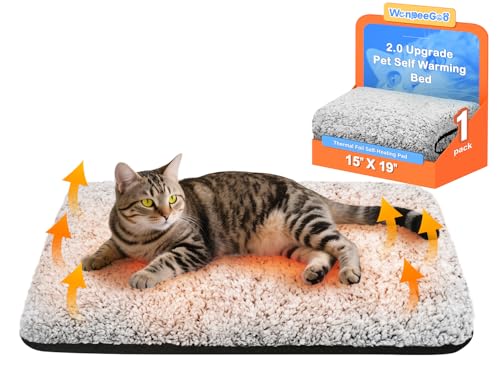
For cats that wake you up because they’re cold, the K&H Pet Products Thermo-Kitty Bed is our top pick. Its low-wattage heating pad provides gentle warmth that soothes achy joints and encourages all-night snoozing. If your cat prefers a cave-like space, the K&H Deluxe Lectro-Soft Outdoor Heated Bed offers a covered design. For budget-conscious owners, the Petstages Thermal Cat Bed uses self-warming material without electricity.
What to consider for Heated Cat Bed For Cats That Wake You Up
Cats that wake you up often do so because they are uncomfortable or seeking warmth. A heated bed can provide consistent warmth that helps them settle down and sleep through the night. Consider the bed’s size, heating method (electric vs. self-warming), safety features like automatic shut-off, and ease of cleaning. Also think about your cat’s sleeping style: some prefer open beds, others like enclosed spaces. A bed that retains heat well can reduce nighttime disruptions.
What to look for in a cat litter or litter-area product
While this guide focuses on heated beds, a clean litter box is also crucial for nighttime peace. Look for strong clumping and odour control to keep the area fresh. Low-dust formulas protect feline airways. Low-tracking litter reduces mess around the box. For multi-cat homes, choose a litter that handles heavy use. Unscented options are best for sensitive cats who may avoid scented litters.
How we chose these picks
- Evaluated product specifications and safety certifications (ETL/UL listing for electric beds).
- Reviewed customer feedback on warmth consistency and durability.
- Considered bed size and suitability for different cat breeds and ages.
- Compared heating methods: electric vs. self-warming vs. microwavable.
- Assessed ease of cleaning: removable covers and machine-washable materials.
- Checked for energy efficiency and low power consumption.
- Ensured a range of price points to fit different budgets.
- Never ranked a product higher just because it pays a commission.
What to avoid
- Heavily scented litters that may deter cats from using the box, leading to accidents elsewhere.
- High-dust clay litters that can aggravate respiratory issues in cats with asthma or allergies.
- A litter box that is too small or too few boxes for the number of cats; follow the rule of one box per cat plus one extra.
- Sudden litter changes; transition gradually over a week to avoid litter box aversion.
For more cat care tips, visit our cat guides, cat health, and cat care products sections.