Quick answer
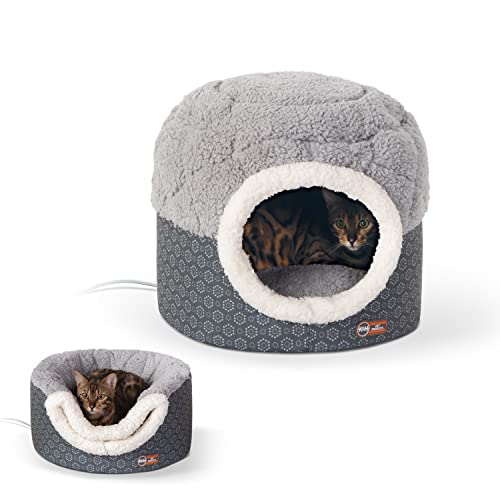
The K&H Pet Products Thermo-Kitty Bed is our top pick for cats on dry food diets. Its gentle warmth encourages cats to stay hydrated by drinking more water, and the low-wattage heating element is safe for long-term use. For multi-cat households, the Petstages 2-in-1 Heated Cat Bed offers extra space and dual-sided comfort.
What to consider for Heated Cat Bed For Dry Food Diets
Cats on dry food diets often don’t get enough moisture, which can lead to urinary tract problems. A heated cat bed can help by providing a warm, cozy spot that encourages your cat to rest and drink more water. Look for beds with chew-resistant cords, machine-washable covers, and thermostatically controlled heating to prevent overheating. The bed should also be easy to clean, as cats with dry food diets may have more concentrated urine that can soil the bed.
What to look for in a cat litter or litter-area product
When choosing a litter box for a cat on a dry food diet, consider strong clumping and odor control to manage more concentrated urine. Low dust is important to protect feline airways, especially if your cat has respiratory issues. Low tracking helps keep the area clean, and multi-cat suitability is key if you have multiple cats. Unscented options are best for sensitive cats who may be put off by fragrances.
How we chose these picks
- Evaluated heating safety features including auto-shutoff and chew-resistant cords.
- Considered bed size and shape to accommodate cats of different sizes and sleeping positions.
- Checked for machine-washable covers for easy cleaning.
- Reviewed customer feedback on durability and cat acceptance.
- Assessed energy efficiency and low-wattage operation.
- Prioritized beds with thermostatic control to maintain safe temperature.
- Never ranked a product higher just because it pays a commission.
What to avoid
- Heavily scented litters that may deter cats from using the box.
- High-dust clay litters that can aggravate respiratory issues.
- A litter box that is too small or too few boxes for the number of cats.
- Sudden litter changes; transition gradually to avoid litter box aversion.
For more cat care tips, visit our cat guides, cat food, and cat health sections.