Quick answer
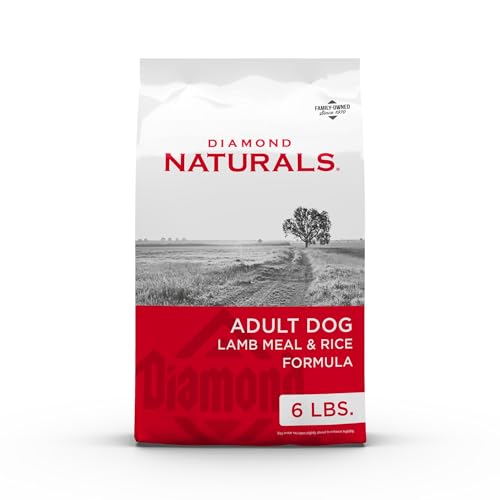
Our top pick is Purina Pro Plan High Protein Sport Performance 30/20, offering 30% protein and 20% fat to fuel active working dogs. For dogs with sensitive stomachs, Hill’s Science Diet Adult Perfect Digestion provides balanced nutrition with prebiotic fiber. If you need a budget-friendly option, Diamond Naturals High Energy Formula delivers quality protein at a lower price.
What to consider for High Protein Dog Food For Working Dogs
Working dogs, such as herding, hunting, sled, and search-and-rescue dogs, have higher energy demands than typical pets. Their diet must provide ample protein for muscle maintenance and repair, plus sufficient fat for sustained energy. Look for a food with at least 25-30% protein and 15-20% fat, with named animal protein as the first ingredient. Calorie density matters too: aim for 350-450 kcal per cup to support activity without excessive volume. Joint support (glucosamine and chondroitin) and omega fatty acids for coat and joint health are beneficial additions. Always ensure the food is AAFCO-complete for the adult life stage.
What to look for in a dog food
When choosing a high protein dog food for working dogs, prioritize an AAFCO statement confirming it is complete and balanced for adult maintenance or all life stages. The first ingredient should be a named meat source like chicken, beef, or salmon. Protein content should be between 25% and 35% on a dry matter basis, fat between 15% and 25%. Calorie content typically ranges from 350 to 500 kcal per cup. For large breeds, ensure calcium levels are appropriate (not too high for puppies). Look for added glucosamine and chondroitin for joint health, and omega-3 and omega-6 fatty acids for skin and coat. Avoid foods with unnamed meat meals or excessive fillers.
How we chose these picks
- Evaluated protein and fat percentages to meet working dog energy needs.
- Checked that the first ingredient is a named animal protein.
- Reviewed ingredient lists for quality sources and absence of artificial additives.
- Considered brand reputation and adherence to AAFCO standards.
- Looked for added joint support and omega fatty acids.
- Included options across price points to suit different budgets.
- Read customer feedback for palatability and digestive tolerance.
- Never ranked a product higher just because it pays a commission.
What to avoid
- Avoid foods where the primary protein source is an unnamed “meat meal” or “poultry meal” without species identification.
- Be cautious with grain-free or legume-heavy recipes; the FDA is investigating a potential link to canine dilated cardiomyopathy (DCM). Grain-inclusive diets are generally safer unless your vet advises otherwise.
- Do not feed an “all life stages” food to a large-breed puppy, as it may contain excessive calcium that can affect bone development.
- Avoid abrupt diet switches; transition over 7 to 10 days to prevent digestive upset.
For more guidance, explore our dog guides, dog food, and dog nutrition resources.