Quick answer
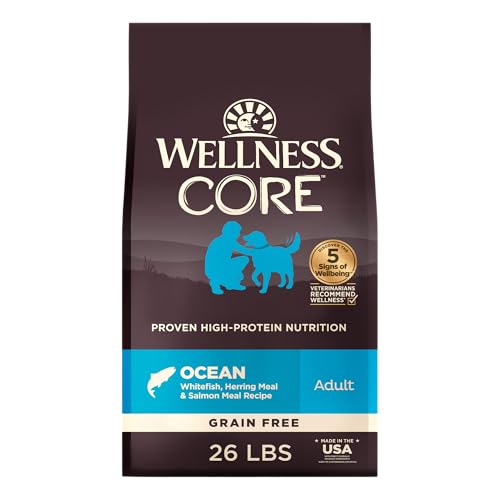
Our top pick is Purina Pro Plan High Protein with Salmon & Rice. It offers 30% protein from real salmon, plus omega-3s for skin and coat health. For dogs with sensitive stomachs, consider Blue Buffalo Basics Salmon & Potato. If you need a budget-friendly option, Diamond Naturals Salmon & Potato provides solid nutrition at a lower price.
What to consider for High Protein Dog Food With Salmon
High protein dog food with salmon is ideal for active dogs, working breeds, or those needing muscle maintenance. Salmon is a rich source of omega-3 fatty acids, which support joint health, skin, and coat. When choosing, ensure the protein level is appropriate for your dog’s activity level and life stage. Also check that the food meets AAFCO standards for your dog’s age. Some dogs may have fish allergies, so introduce slowly and watch for adverse reactions. Always consult your veterinarian before making dietary changes, especially for dogs with health conditions.
What to look for in a dog food
First, look for an AAFCO statement indicating the food is complete and balanced for your dog’s life stage (growth, adult, or all life stages). The first ingredient should be a named meat, like salmon or salmon meal. Protein content should be in the range of 25% to 35% for active dogs, but not exceed 40% unless recommended by a vet. Fat content typically ranges from 12% to 20%, providing energy. For large breeds, ensure calcium and phosphorus levels are appropriate for bone health. Omega-3 and omega-6 fatty acids from salmon support skin, coat, and joints. Avoid foods with excessive fillers or artificial additives.
How we chose these picks
- We evaluated products based on ingredient quality, with a named meat (salmon) as the first ingredient.
- We prioritized protein content suitable for active dogs, generally 25% to 35% crude protein.
- We checked for AAFCO nutritional adequacy statements for the appropriate life stage.
- We considered omega-3 fatty acid levels from natural sources like salmon.
- We reviewed customer feedback and brand reputation for consistency and safety.
- We compared price per pound to ensure value for the quality.
- We included a range of price points and formulations (grain-inclusive and limited ingredient).
- Never ranked a product higher just because it pays a commission.
What to avoid
- Avoid foods where the main protein source is an unnamed “meat meal” or “poultry meal” rather than a named fish like salmon.
- Be cautious with grain-free recipes unless your vet advises them; the FDA is still investigating a potential link between grain-free diets and canine dilated cardiomyopathy (DCM). Grain-inclusive is generally safer.
- Do not feed an “all life stages” food to a large-breed puppy, as it may have improper calcium levels.
- Avoid abrupt diet switches; transition over 7 to 10 days by mixing increasing amounts of new food with old.
For more guidance, explore our dog guides and related categories: dog food, dog nutrition.