Quick answer
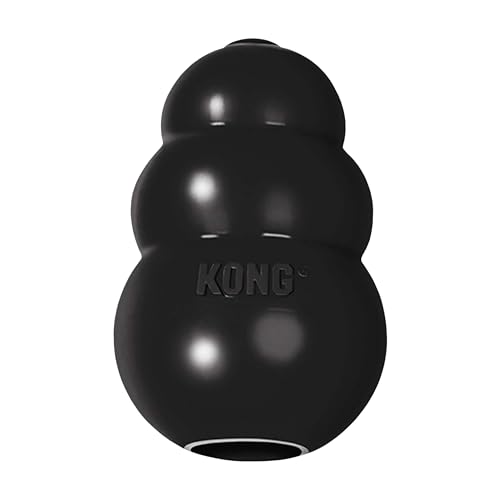
The KONG Extreme is our top pick for most Labs because its natural rubber withstands heavy chewing and can be stuffed with treats for enrichment. For aggressive chewers who destroy everything, the Goughnuts Maxx 50 offers a lifetime safety guarantee. If your Lab needs dental care, the Virbac C.E.T. Enzymatic Oral Hygiene Chews are VOHC-accepted and highly digestible.
What to consider for Indestructible Dog Toy For Labs
Labs are strong, enthusiastic chewers with powerful jaws. A toy that works for a small dog may not last five minutes with a Lab. Size matters: a toy too small can be swallowed, while one too large may be ignored. Material is critical: natural rubber and tough nylon are safer than hard plastics that can crack teeth. Also consider your Lab’s age and chewing style. Puppies need softer teething toys, while adult Labs often prefer something with give. Finally, think about enrichment: a toy that can be stuffed with food or treats will hold your Lab’s attention longer and reduce destructive behavior.
What to look for in a toy or chew
First, size: the toy should be too large to swallow or lodge in the throat. For Labs, a diameter of at least 3 to 4 inches is a good rule. Second, durability: look for materials labeled as heavy-duty or for power chewers. Natural rubber, reinforced nylon, and tough thermoplastic are good choices. Third, non-toxic materials: avoid phthalates, BPA, and lead. For dental chews, look for the Veterinary Oral Health Council (VOHC) seal of acceptance, which means the product has proven efficacy in reducing plaque and tartar. Fourth, genuine enrichment value: toys that can be stuffed, puzzles that dispense treats, or chews that take time to consume provide mental stimulation. Finally, safety: avoid toys with small parts that can break off, and always supervise your Lab with any new toy.
How we chose these picks
- We evaluated products based on material durability and safety for heavy chewers.
- We considered size appropriateness for Labrador Retrievers (adult weight 55 to 80 pounds).
- We prioritized toys with positive reviews from owners of large, powerful chewers.
- We checked for non-toxic, pet-safe materials and manufacturing standards.
- We included a mix of toy types: chew toys, puzzle toys, and dental chews.
- We looked for products from reputable brands with transparent sourcing.
- We considered value for money, including warranty or guarantee policies.
- Never ranked a product higher just because it pays a commission.
What to avoid
- Avoid toys that are small enough to swallow or become lodged in the airway. For Labs, any toy smaller than a tennis ball is risky.
- Avoid hard chews like antlers, bones, or hard nylon that can crack teeth. Labs can fracture premolars on overly hard materials.
- Avoid toys that shed pieces or have glued-on parts. These can be ingested and cause intestinal blockages.
- Never leave a heavy chewer unsupervised with a new toy until you are confident it is safe and durable.
For more guidance, browse our dog guides, dog food, and dog health resources.


