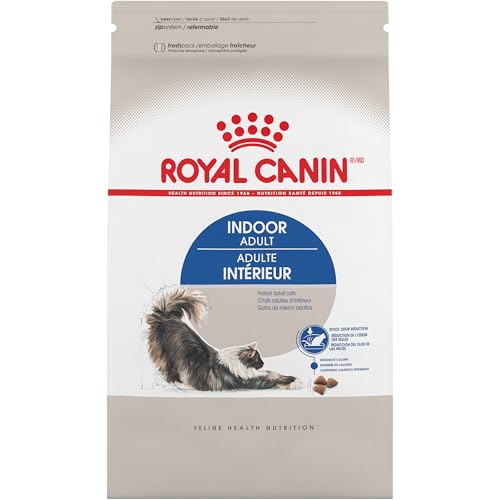
Quick answer
For most first-time owners, Royal Canin Indoor Adult Dry Cat Food is our top pick. It’s tailored for indoor cats with moderate calorie control and balanced fiber. If your cat has a sensitive stomach, consider Purina Pro Plan Sensitive Skin & Stomach. For budget-conscious owners, Iams Proactive Health Indoor Weight & Hairball Care offers solid nutrition at a lower price.
What to consider for Indoor Cat Food For First Time Cat Owners
Indoor cats are less active and prone to weight gain, so calorie density matters. Look for foods with moderate fat and controlled calories. Hairball control is also a plus, as indoor cats groom more and may ingest more fur. First-time owners should prioritize complete and balanced nutrition, a named animal protein as the first ingredient, and guaranteed taurine. Wet food can support urinary health, but dry food is convenient. Choose a food appropriate for your cat’s life stage (kitten, adult, senior).
What to look for in a cat food
First, ensure the food has an AAFCO statement confirming it’s complete and balanced for your cat’s life stage. Look for a named meat (e.g., chicken, salmon) as the first ingredient. Cats need animal protein and taurine, an essential amino acid. Wet food provides moisture to support urinary health. Consider life-stage suitability: kittens need more calories and nutrients, seniors may need joint support or lower phosphorus. Avoid foods with excessive fillers like corn or wheat.
How we chose these picks
- Evaluated AAFCO nutritional adequacy statements for the correct life stage.
- Checked that a named animal protein is the first ingredient.
- Ensured guaranteed taurine levels meet AAFCO minimums.
- Considered calorie density and fiber content for indoor cats.
- Reviewed brand reputation and recall history.
- Selected a range of price points and textures (dry and wet).
- Focused on products widely available on Amazon.
- Never ranked a product higher just because it pays a commission.
What to avoid
- Avoid foods with no named meat or very low animal protein (e.g., by-products listed vaguely).
- Steer clear of any food that does not guarantee taurine (rare but possible).
- Do not default to all-life-stages food for a senior or kitten without checking if it meets their specific needs.
- Avoid abrupt diet switches; transition over 7 to 10 days to prevent digestive upset.
For more guidance, browse our cat guides, cat food, and cat health resources.


