Quick answer
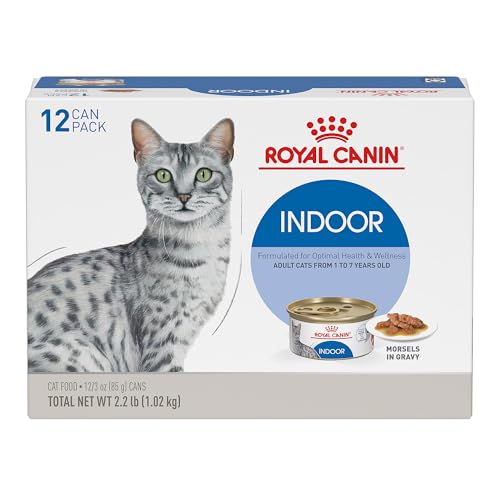
The best indoor cat food for indoor cats is Hill’s Science Diet Adult Indoor Cat Food, because it provides balanced nutrition with reduced calories and high-quality protein to support lean muscle. For cats with sensitive stomachs, Purina Pro Plan Sensitive Skin & Stomach is a great alternative. If you prefer wet food, Royal Canin Indoor Adult Canned Cat Food offers optimal moisture and palatability.
What to consider for Indoor Cat Food For Indoor Cats
Indoor cats are less active than outdoor cats, so they need a diet that prevents obesity while maintaining muscle mass. Look for controlled calorie content, increased fiber for hairball management, and adequate moisture to support urinary health. Ingredients like L-carnitine can aid fat metabolism, and omega fatty acids promote skin and coat health. Avoid foods with excessive fillers or artificial additives.
What to look for in a cat food
Always choose a cat food that carries an AAFCO complete and balanced statement for the appropriate life stage (adult, kitten, or senior). The first ingredient should be a named meat source (e.g., chicken, salmon) to ensure high animal protein. Taurine is an essential amino acid for cats; it must be present in adequate amounts. Moisture content matters: wet food (at least 75% moisture) supports urinary health, while dry food is convenient and helps with dental health. For indoor cats, look for formulas labeled “indoor” or “weight management” that are lower in fat and calories.
How we chose these picks
- Evaluated ingredient lists for named meat as first ingredient and absence of artificial preservatives.
- Checked AAFCO nutritional adequacy statements for adult maintenance or all life stages.
- Prioritized products with added taurine, omega fatty acids, and fiber sources like beet pulp or psyllium.
- Compared calorie density to ensure suitability for less active indoor cats.
- Considered brand reputation, manufacturing standards, and recall history.
- Read customer reviews for palatability and digestive tolerance.
- Consulted veterinary nutrition guidelines and WSAVA recommendations.
- Never ranked a product higher just because it pays a commission.
What to avoid
- Avoid foods with unnamed meat sources (e.g., “meat meal” or “poultry by-product”) as they may be low quality.
- Steer clear of recipes with insufficient animal protein (below 30% on a dry matter basis) or lacking taurine supplementation.
- Do not default to all-life-stages food for a senior or kitten without checking specific nutrient profiles; all-life-stages may be too high in calories for an indoor adult.
- Avoid abrupt diet switches; transition over 7 to 10 days to prevent digestive upset.
For more guidance, explore our cat guides, cat food, and cat health resources.