Quick answer
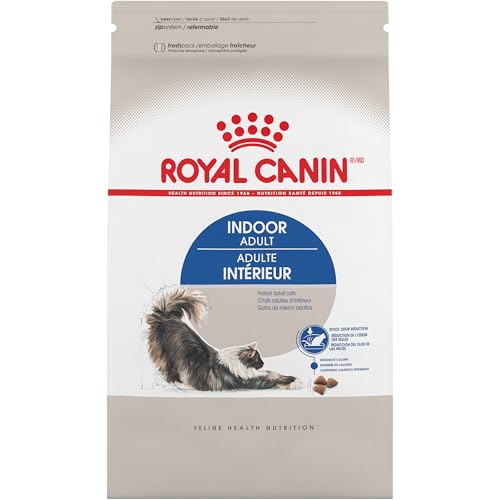
Our top pick is Royal Canin Feline Health Nutrition Indoor Dry Cat Food, formulated with controlled minerals and moderate fiber to support urinary health and hairball control. For cats needing wet food, Hill’s Science Diet Adult Urinary & Hairball Control canned food is excellent. If you’re on a budget, Purina Pro Plan Focus Urinary Tract Health offers reliable support.
What to consider for Indoor Cat Food For Urinary Health
Indoor cats often have lower water intake and less exercise, which can lead to concentrated urine and crystal formation. The ideal food helps maintain a healthy urinary pH (around 6.2 to 6.4) and provides adequate moisture. Wet food is especially beneficial because it increases water consumption. Look for recipes with controlled levels of magnesium, phosphorus, and calcium, and ensure the food meets AAFCO nutrient profiles for adult maintenance.
What to look for in a cat food
First, check for an AAFCO statement confirming the food is complete and balanced for your cat’s life stage (adult, kitten, or senior). The first ingredient should be a named meat source (like chicken or salmon) to ensure high-quality animal protein. Cats require taurine, an essential amino acid; the food should list taurine in the guaranteed analysis. For urinary health, moisture content matters: wet food (78% moisture) helps dilute urine, while dry food (10% moisture) requires your cat to drink more. Also consider life-stage suitability: kittens need more calories and nutrients, while seniors may benefit from lower phosphorus.
How we chose these picks
- Evaluated ingredient lists for named meat as first ingredient and absence of artificial additives.
- Checked guaranteed analysis for appropriate protein (30-40% dry matter), fat (15-20%), and fiber (3-5%) for indoor cats.
- Ensured each formula includes taurine and has controlled mineral levels (magnesium, phosphorus) to support urinary health.
- Reviewed AAFCO nutritional adequacy statements for adult maintenance or all life stages.
- Considered brand reputation and history of quality control (e.g., recalls, manufacturing standards).
- Selected a mix of dry and wet options to suit different preferences and budgets.
- Never ranked a product higher just because it pays a commission.
What to avoid
- Avoid foods with unnamed meat meals or by-products as the first ingredient, as they may indicate lower quality protein.
- Steer clear of recipes that do not list taurine, as taurine deficiency can cause serious health issues.
- Do not default to all-life-stages food for a senior or kitten without checking if it meets their specific needs (e.g., lower phosphorus for seniors).
- Avoid abrupt diet switches; transition over 7-10 days by mixing old and new food to prevent digestive upset.
For more guidance, browse our cat guides, cat food, and cat health resources.


