Quick answer
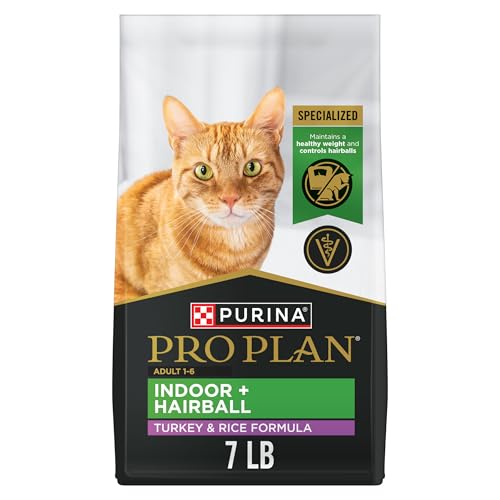
Our top pick is Instinct Original Grain-Free Pâté Real Duck Recipe for its high-quality duck protein, grain-free formula, and balanced nutrition for indoor cats. If your cat has a sensitive stomach, Blue Buffalo Basics Duck & Potato is a limited-ingredient diet that minimizes allergens. For budget-conscious owners, Purina Pro Plan Focus Indoor Care Duck & Rice offers excellent value without sacrificing essential nutrients.
What to consider for Indoor Cat Food With Duck
Indoor cats often have lower energy needs and are prone to weight gain, so look for a food with controlled calories and moderate fat. Duck is a lean, novel protein that can be easier to digest than chicken or beef, making it ideal for cats with food sensitivities. However, duck-based diets can be more expensive, so balance cost with quality. Also, ensure the food includes taurine (essential for heart and eye health) and adequate fiber (like beet pulp or pumpkin) to help with hairball control, a common issue for indoor cats.
What to look for in a cat food
First, check for an AAFCO statement confirming the food is complete and balanced for your cat’s life stage (kitten, adult, or senior). Look for a named meat source (like duck) as the first ingredient, ensuring high-quality animal protein. Cats require taurine, an amino acid vital for heart and vision; it must be added in commercial diets. Moisture content matters: wet food (around 78% moisture) supports urinary health, while dry food (about 10% moisture) is convenient but may require increased water intake. Finally, choose a formula tailored to your cat’s age and health condition, such as indoor, weight management, or sensitive stomach.
How we chose these picks
- Evaluated ingredient lists for named duck as the primary protein source.
- Verified AAFCO nutritional adequacy statements for adult maintenance or all life stages.
- Prioritized recipes with added taurine and balanced omega-3 and omega-6 fatty acids.
- Considered calorie density and fiber content suitable for indoor cats.
- Reviewed customer feedback for palatability and digestive tolerance.
- Selected products from reputable brands with established quality control.
- Compared price per pound to offer options at various budget points.
- Never ranked a product higher just because it pays a commission.
What to avoid
- Avoid foods that list a generic meat meal (like “poultry meal”) instead of a named protein like duck.
- Steer clear of recipes with insufficient animal protein (less than 30% crude protein on a dry matter basis) for obligate carnivores.
- Do not choose a food that lacks added taurine or has a taurine level below AAFCO minimums.
- Be cautious with all-life-stages formulas for kittens or seniors without checking specific nutrient profiles; kittens need more calories and calcium, while seniors may need lower phosphorus.
- Avoid abrupt diet changes; transition over 7 to 10 days by mixing increasing amounts of new food with old food.
For more guidance, explore our cat guides, cat food, and cat health resources.