Quick answer
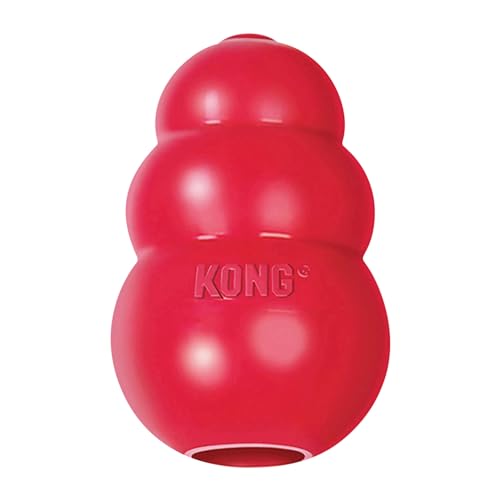
The KONG Classic is our top pick for crate training because it can be stuffed with treats or peanut butter, providing long-lasting mental stimulation and comfort. For heavy chewers, the West Paw Zogoflex Qwizl offers extreme durability. The Outward Hound Nina Ottosson Dog Tornado is best for puzzle-solving pups, while the Nylabone DuraChew satisfies strong chewers on a budget. The Greenies Dental Chew is ideal for dental health during crate time.
What to consider for Interactive Dog Toy For Crate Training
When choosing an interactive toy for crate training, consider the dog’s age, size, and chewing intensity. Puppies and seniors may need softer toys, while heavy chewers require durable rubber or nylon. The toy should fit comfortably in the crate without being a choking hazard. Lick mats and puzzle toys can reduce anxiety by focusing the dog’s attention. Always supervise initial use to ensure the toy is safe and appropriate.
What to look for in a toy or chew (chew toy, puzzle, lick mat or dental chew)
Size: Choose a toy large enough that it cannot be swallowed whole. Durability: Match the toy to your dog’s chew strength; aggressive chewers need tough rubber or nylon. Materials: Look for non-toxic, BPA-free materials. For dental chews, a VOHC seal indicates proven effectiveness. Enrichment value: Toys that can be stuffed or have hidden compartments provide mental stimulation, which is key for crate training success.
How we chose these picks
- Evaluated product descriptions and customer reviews for safety and durability.
- Considered size and material suitability for crate use.
- Prioritized toys that offer mental stimulation and anxiety relief.
- Checked for non-toxic, pet-safe materials and VOHC acceptance for dental chews.
- Selected products from reputable brands known for quality.
- Included a range of types: puzzle toys, chew toys, lick mats, and dental chews.
- Ensured picks cover different budgets and chewing styles.
- Never ranked a product higher just because it pays a commission.
What to avoid
- Toys small enough to be swallowed or cause choking.
- Hard chews like antlers or bones that can crack teeth.
- Toys that easily break apart and shed pieces.
- Leaving a heavy chewer unsupervised with a new toy until you’re sure it’s safe.
For more guidance, check out our dog guides, dog care products, and dog health articles.


