Quick answer
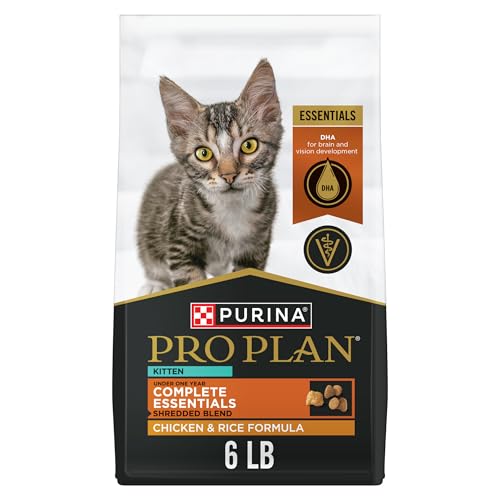
Our top pick is Royal Canin Feline Health Nutrition Dry Food for Young Kittens. It offers a precise balance of nutrients for kittens and uses a single animal protein source to minimize allergy triggers. For owners seeking a limited-ingredient wet food, Instinct Limited Ingredient Diet Grain-Free Pate is a strong runner-up. If budget is a concern, Purina Pro Plan Focus Kitten Chicken & Rice Formula provides reliable nutrition at a lower price point.
What to consider for Kitten Food For Cats With Allergies
Kittens have unique nutritional needs, including higher protein, fat, and calcium for growth, and they require a complete and balanced diet approved for growth. When a kitten also has allergies, you need a food that avoids common allergens such as chicken, beef, dairy, or grains. Look for a limited ingredient diet or a novel protein source like duck, rabbit, or salmon. Always transition food slowly over 7 to 10 days to avoid digestive upset. Consult your veterinarian to identify the specific allergen and confirm the food is appropriate for your kitten’s life stage.
What to look for in a cat food
First, ensure the food has an AAFCO statement confirming it is complete and balanced for growth or all life stages. The first ingredient should be a named meat or meat meal (e.g., chicken meal, salmon). Animal protein should be high, as cats are obligate carnivores. Taurine is an essential amino acid that must be added; check the guaranteed analysis. Moisture content matters: wet food (around 78% moisture) supports urinary health, while dry food (around 10% moisture) is convenient. For kittens, the food must meet higher calcium and phosphorus levels for bone development. For allergies, choose a formula with a single protein source and limited carbohydrates.
How we chose these picks
- Evaluated ingredient lists for named animal proteins and absence of common allergens.
- Verified AAFCO nutritional adequacy statements for growth or all life stages.
- Checked for added taurine and appropriate calcium-to-phosphorus ratio.
- Considered brand reputation and manufacturing quality standards.
- Read customer feedback focusing on palatability and digestive tolerance.
- Compared price per pound to ensure value across budgets.
- Selected a mix of dry and wet options to suit different feeding preferences.
- Never ranked a product higher just because it pays a commission.
What to avoid
- Foods with vague meat sources like “meat meal” or “animal digest” that could contain allergens.
- Recipes with low animal protein (below 30% dry matter) or high carbohydrate fillers.
- Diets lacking taurine supplementation; taurine is essential for heart and eye health.
- All-life-stages foods for kittens unless they meet the higher nutrient requirements for growth.
- Abrupt diet switches; always transition gradually to prevent gastrointestinal upset.
For more cat care resources, visit our cat guides, cat food reviews, and cat health articles.