Quick answer
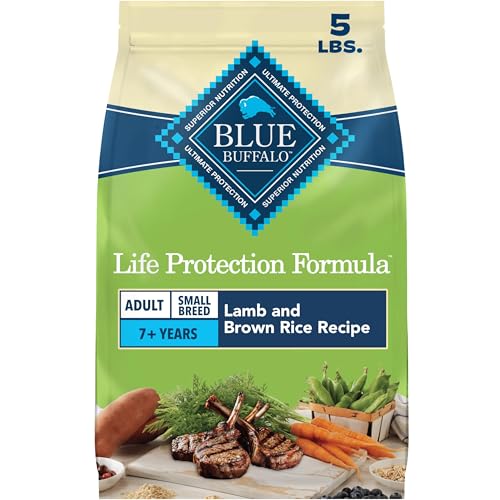
For most senior small dogs, our top pick is Hill’s Science Diet Adult 7+ Small Bites Lamb Meal & Brown Rice Recipe. It provides balanced nutrition with glucosamine for joints, easy-to-digest small kibble, and a moderate calorie count to help maintain a healthy weight. If your dog has a sensitive stomach, consider Purina Pro Plan Sensitive Skin & Stomach Lamb & Oat Meal Formula instead.
What to consider for Lamb Dog Food For Senior Small Dogs
Senior small dogs have unique needs: they often experience slower metabolism, dental issues, and joint stiffness. A lamb-based diet can be a great novel protein for dogs with food sensitivities. When choosing a food, look for smaller kibble size, controlled calories to prevent obesity, added joint support (glucosamine and chondroitin), and easily digestible ingredients. Avoid excessive protein levels that may strain aging kidneys, and ensure the food meets AAFCO nutrient profiles for adult maintenance or senior life stage.
What to look for in a dog food
First, confirm the food carries an AAFCO statement of nutritional adequacy for adult maintenance or all life stages (senior-specific formulas are ideal). The first ingredient should be a named meat source like lamb or lamb meal. Protein content should be moderate (around 20 to 25% on a dry matter basis) to support muscle without overloading kidneys. Fat should be around 10 to 15% for energy without promoting weight gain. For small breeds, kibble size matters: small or tiny bites are easier to chew. Look for added glucosamine and chondroitin for joint health, and omega-3 fatty acids (from fish oil or flaxseed) for skin, coat, and cognitive support. Avoid artificial preservatives, colors, and flavors.
How we chose these picks
- Analyzed ingredient lists for named lamb or lamb meal as the primary protein source.
- Verified AAFCO nutritional adequacy statements for adult or senior life stages.
- Checked kibble size suitability for small breeds (small or tiny bites).
- Evaluated calorie density to help maintain healthy weight in senior dogs.
- Prioritized formulas with added joint supplements (glucosamine, chondroitin).
- Considered digestibility and inclusion of prebiotic fibers for sensitive stomachs.
- Reviewed brand reputation and manufacturing quality standards.
- Never ranked a product higher just because it pays a commission.
What to avoid
- Foods with unnamed meat meals (e.g., “meat meal”) as the sole protein source.
- Grain-free or legume-heavy recipes unless your veterinarian specifically advises them, due to the ongoing FDA investigation into a potential link with canine dilated cardiomyopathy (DCM).
- All-life-stages formulas for large-breed puppies; for senior small dogs, avoid foods with excessive protein or calories that could promote obesity.
- Abrupt diet switches: transition over 7 to 10 days by mixing increasing amounts of new food with old.
For more guidance, explore our dog guides, dog food, and dog nutrition resources.