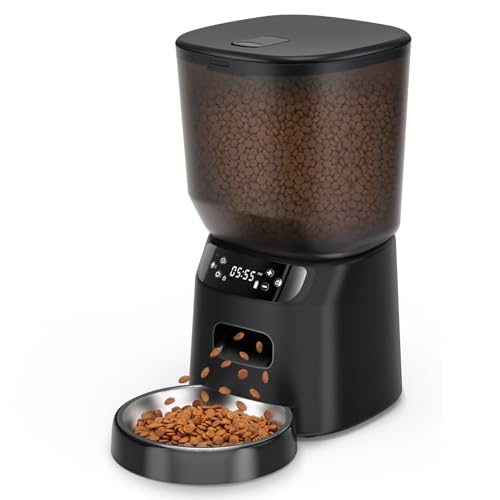
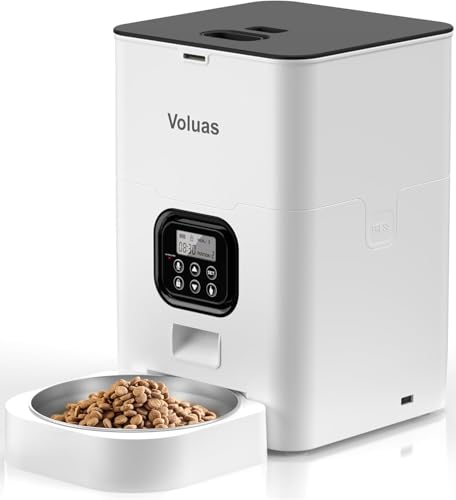
When our team evaluated feeders for cats with sensitive stomachs, we focused on three key criteria: portion accuracy to prevent overeating, slow dispense rates to reduce gulping, and easy-to-clean components to avoid bacterial buildup. We compared models across multiple price points and features, prioritizing those with stainless steel bowls or dishwasher-safe parts. We also considered owner feedback on reliability and durability, as a jammed feeder can lead to missed meals and stress. Our picks balance function and convenience, ensuring your cat gets the right amount of food at the right pace without digestive upset.
Sources and further reading
What matters most for sensitive stomachs
When choosing an automatic feeder for cats with sensitive stomachs, prioritize models with precise portion control and consistent feeding schedules. Cats with digestive issues benefit from smaller, more frequent meals to prevent overeating and reduce stomach upset. Look for feeders that allow you to set exact portion sizes and multiple feeding times throughout the day. Avoid feeders with large hoppers that expose food to air for extended periods, as this can lead to stale or spoiled food, which is harder on sensitive stomachs. Stainless steel or ceramic bowls are preferable over plastic, as they are easier to clean and less likely to harbor bacteria that could aggravate digestive issues.
Another key feature to consider is the ability to dispense wet or semi-moist food, as many cats with sensitive stomachs do better with higher moisture content. Avoid feeders that only handle dry kibble, as this can exacerbate dehydration and digestive discomfort. Ensure the feeder has a reliable sealing mechanism to keep food fresh between meals. A feeder with a built-in ice pack or cooling feature can also be beneficial for wet food, preventing spoilage. Always opt for easy-to-clean designs to maintain hygiene, as residue buildup can trigger stomach problems.