Quick answer
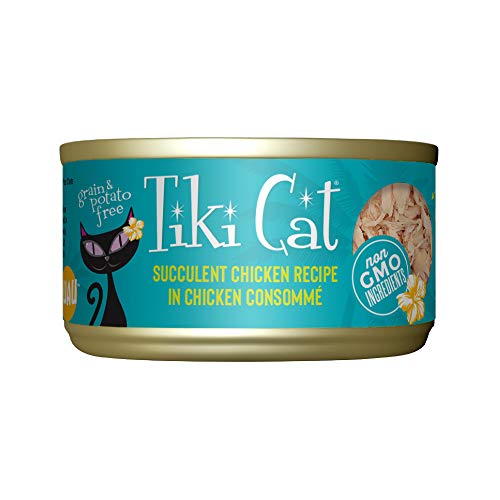
Our top pick is Instinct Limited Ingredient Diet Grain-Free Recipe with Real Chicken. It combines a single animal protein with pumpkin for digestive health, and its freeze-dried raw pieces add texture that encourages foraging. For a wet food option, Tiki Cat Puka Luau Succulent Chicken in Chicken Consomme offers high moisture and simple ingredients. If you need a budget-friendly dry food, Blue Buffalo Basics Limited Ingredient Diet is a solid choice.
What to consider for Limited Ingredient Cat Food For Cats That Need Enrichment
When choosing a limited ingredient diet for a cat that needs enrichment, you want a food that not only minimizes allergens but also engages your cat’s senses. Enrichment comes from variety in texture, aroma, and feeding method. Look for foods that can be used in puzzle feeders, treat dispensers, or scatter feeding. Wet foods with shreds or chunks provide tactile stimulation, while dry foods with unique shapes or freeze-dried pieces encourage chewing. Avoid artificial flavors and colors, as natural scents are more enticing. Also consider rotation: offering different limited ingredient proteins can prevent boredom and food sensitivities.
What to look for in a cat food
First, ensure the food has an AAFCO statement of nutritional adequacy for your cat’s life stage (kitten, adult, or senior). The first ingredient should be a named meat (e.g., chicken, salmon) to provide high-quality animal protein. Taurine, an essential amino acid for cats, must be present in adequate amounts. Moisture content matters: wet food (at least 75% moisture) supports urinary health, while dry food offers convenience. For limited ingredient diets, the protein and carbohydrate sources should be minimal and novel. Always choose a food formulated for your cat’s specific health needs, and consult your veterinarian before making dietary changes.
How we chose these picks
- Evaluated ingredient lists for limited, high-quality protein sources and minimal fillers.
- Checked for AAFCO complete and balanced statements appropriate for adult cats.
- Prioritized brands with a history of rigorous quality control and transparent sourcing.
- Considered texture and format (dry, wet, freeze-dried) to support enrichment activities.
- Reviewed customer feedback for palatability and digestive tolerance.
- Selected products available on Amazon for reader convenience.
- Never ranked a product higher just because it pays a commission.
What to avoid
- Foods with unnamed meat or meat by-products, as they may contain low-quality protein.
- Recipes with insufficient animal protein or that lack added taurine.
- Defaulting to an all-life-stages food for a senior or kitten without checking specific nutrient levels.
- Abrupt diet switches: transition over 7 to 10 days to avoid digestive upset.
For more guidance, explore our cat guides and visit cat food or cat care products.