Quick answer
Our top pick is Hill’s Science Diet Adult Sensitive Stomach & Skin Chicken Recipe Dry Cat Food. It provides balanced nutrition with lower calories and is formulated for cats with food sensitivities. For a budget-friendly wet option, Purina Pro Plan Focus Sensitive Skin & Stomach Salmon & Rice Formula offers similar benefits at a lower price point.
What to consider for Low Calorie Cat Food For Cats With Allergies
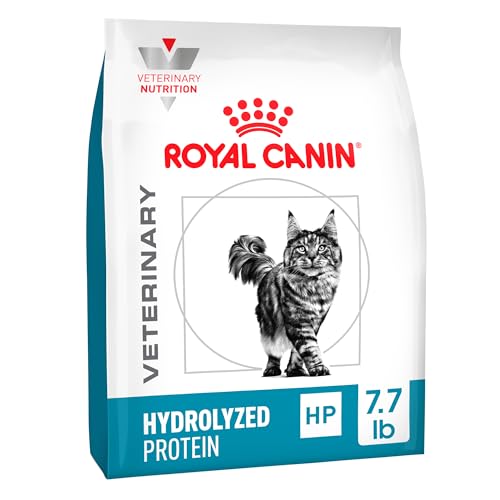
When choosing a low-calorie cat food for cats with allergies, you need to address two main concerns: weight management and allergen avoidance. Look for a food that is calorie-controlled (typically under 350 kcal/cup for dry food) and uses a novel protein source or hydrolyzed protein to reduce allergic reactions. Avoid common allergens like chicken, beef, dairy, and fish if your cat has known sensitivities. Wet food often has fewer calories per ounce and higher moisture content, which can help with weight loss and urinary health. Always transition gradually over 7 to 10 days to avoid digestive upset.
What to look for in a cat food
First, ensure the food has an AAFCO statement confirming it is complete and balanced for your cat’s life stage (adult, kitten, or senior). The first ingredient should be a named meat source (e.g., salmon, turkey) to provide high-quality animal protein. Cats require adequate taurine, an essential amino acid; look for it in the guaranteed analysis. For low-calorie diets, the food should have reduced fat and controlled calories, but still meet protein needs (at least 30% dry matter). Wet food helps increase water intake, supporting urinary tract health. If your cat has allergies, choose a limited-ingredient diet or a hydrolyzed protein formula. Always check for artificial additives, fillers, and by-products.
How we chose these picks
- Analyzed ingredient lists for named protein sources and absence of common allergens.
- Evaluated calorie content per cup or can to ensure suitability for weight management.
- Verified AAFCO nutritional adequacy statements for the correct life stage.
- Checked for added taurine and omega fatty acids for skin and coat health.
- Read customer reviews for palatability and digestive tolerance.
- Considered brand reputation and manufacturing quality standards.
- Compared price per serving to provide options across budgets.
- Never ranked a product higher just because it pays a commission.
What to avoid
- Foods with unnamed meat sources or low animal protein content (e.g., first ingredient is corn or wheat).
- Recipes lacking taurine or with insufficient taurine levels.
- Defaulting to all-life-stages food for a senior or kitten without checking specific needs.
- Abrupt diet switches; always transition gradually over 7 to 10 days.
For more guidance, check out our cat guides, cat food reviews, and cat health tips.