Quick answer
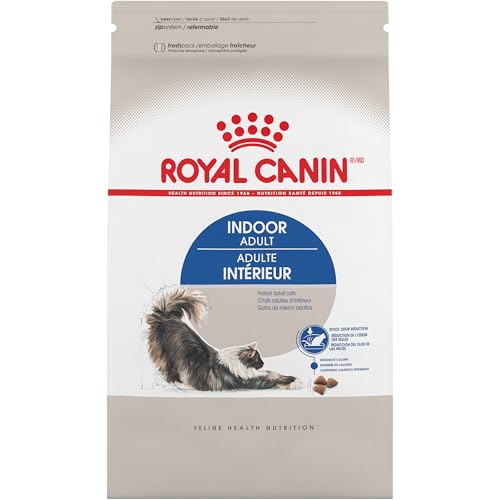
For most indoor cats needing weight management, Hill’s Science Diet Adult Indoor Cat Food is our top pick. It provides balanced nutrition with reduced calories and L-carnitine to support a healthy metabolism. If your cat has a sensitive stomach, Purina Pro Plan Sensitive Skin & Stomach is an excellent alternative. For a budget-friendly option, consider Iams Proactive Health Indoor Weight Control.
What to consider for Low Calorie Cat Food For Indoor Cats
Indoor cats typically have lower activity levels, so they require fewer calories to maintain a healthy weight. Look for foods labeled “indoor” or “weight control” that are formulated with reduced fat and calories. High-quality protein is still essential to preserve lean muscle mass. Also consider the fiber content to help your cat feel full and reduce begging. Wet food can increase moisture intake, which supports urinary health, a common concern for indoor cats.
What to look for in a cat food
Choose a food that meets AAFCO nutrient profiles for the appropriate life stage (adult, kitten, or senior). The first ingredient should be a named meat source like chicken or fish. Ensure the food provides adequate animal protein and taurine, an essential amino acid for cats. For indoor cats, moderate fat and calorie levels are important. Wet food helps with hydration and urinary health. If your cat has special needs, such as a sensitive stomach or urinary issues, select a formula designed for that condition.
How we chose these picks
- Evaluated calorie content per cup or can to ensure low-calorie profiles.
- Checked that the food meets AAFCO nutrient profiles for adult cats.
- Reviewed ingredient lists for named meat sources and absence of artificial additives.
- Considered customer reviews and ratings on Amazon for palatability and effectiveness.
- Assessed brand reputation and history of quality control.
- Selected a variety of formats (dry, wet) and price points to suit different budgets.
- Consulted veterinary nutrition guidelines for weight management in cats.
- Never ranked a product higher just because it pays a commission.
What to avoid
- Avoid foods with unnamed meat or meat by-products as the first ingredient.
- Steer clear of recipes with insufficient animal protein or missing taurine.
- Do not default to all-life-stages food for a senior or kitten without checking calorie density.
- Avoid abrupt diet switches; transition gradually over 7 to 10 days to prevent digestive upset.
For more guidance, visit our cat guides, cat food, and cat health sections.