Quick answer
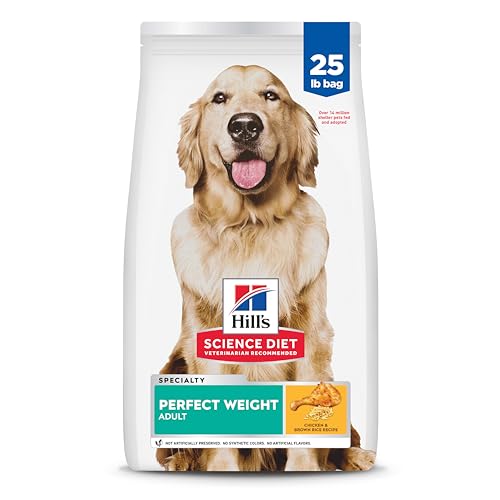
Our top pick is Hill’s Science Diet Adult Perfect Weight & Urinary Health Chicken Recipe, because it combines low calorie density with controlled magnesium and pH to support urinary health. For cats that prefer wet food, Purina Pro Plan Focus Urinary Tract Health Weight Management Canned Cat Food is an excellent alternative. If budget is a concern, Fancy Feast Purely Natural White Meat Chicken Recipe offers a low-calorie wet option with urinary-friendly nutrients.
What to consider for Low Calorie Cat Food For Urinary Health
When choosing a low-calorie cat food for urinary health, you need to balance weight management with urinary support. Overweight cats are at higher risk for urinary issues, so a diet that helps shed pounds while maintaining proper urine pH and low magnesium levels is key. Look for foods with high moisture content (wet food is ideal), moderate protein, and controlled phosphorus. Avoid foods with excessive carbohydrates, which can contribute to weight gain. Always consult your veterinarian before making dietary changes, especially if your cat has a history of urinary crystals or blockages.
What to look for in a cat food
First, ensure the food is AAFCO complete and balanced for your cat’s life stage (adult, kitten, or senior). The first ingredient should be a named meat (e.g., chicken, fish) to provide high-quality animal protein. Cats require taurine, an essential amino acid, so verify it’s added. Moisture content matters: wet food (70-85% moisture) helps dilute urine and reduce crystal formation. For urinary health, look for controlled levels of magnesium, phosphorus, and calcium, and a pH-balancing formula. If your cat is overweight, choose a food labeled for weight management or low calorie.
How we chose these picks
- Evaluated nutritional profiles for low calorie density (under 350 kcal per cup for dry, under 150 kcal per 5.5 oz can for wet).
- Checked for urinary health claims: controlled magnesium, low urine pH, and added antioxidants.
- Prioritized named animal protein as first ingredient and adequate taurine levels.
- Selected products from reputable brands with AAFCO feeding-data reviews or formulation to meet AAFCO standards.
- Considered moisture content: wet foods preferred for urinary health, but included dry options with proven benefits.
- Read customer reviews for palatability and weight loss success, but did not rely solely on anecdotal evidence.
- Consulted veterinary nutrition guidelines for safe weight loss rates (1-2% body weight per week).
- Never ranked a product higher just because it pays a commission.
What to avoid
- Avoid foods with no named meat or that rely heavily on plant proteins (e.g., corn gluten meal) as primary ingredients.
- Steer clear of recipes that do not guarantee taurine supplementation or have insufficient animal protein.
- Do not choose an all-life-stages food for a senior or kitten without checking if it meets their specific needs (e.g., lower phosphorus for seniors, higher calories for kittens).
- Never switch your cat’s diet abruptly; transition over 7-10 days to avoid digestive upset and stress that could trigger urinary issues.
For more guidance, explore our cat guides, including cat food, cat health, and cat care products.


