Quick answer
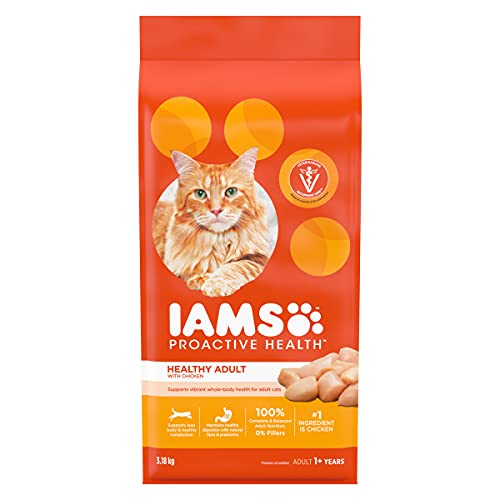
Our top pick for low calorie cat food for weight gain is Hill’s Science Diet Adult 7+ Light. It provides high-quality protein and essential nutrients while keeping calories low, helping senior cats maintain muscle without excess weight. For cats with sensitive stomachs, Purina Pro Plan Sensitive Skin & Stomach is a great alternative. If you need a budget-friendly option, Iams ProActive Health Light offers solid nutrition at a lower price.
What to consider for Low Calorie Cat Food For Weight Gain
When choosing a low calorie cat food for weight gain, focus on high protein content to support lean muscle mass. Look for foods with at least 35% protein on a dry matter basis. The calorie density should be around 300 to 350 kcal per cup for dry food, or 70 to 100 kcal per 3-ounce can for wet food. Also, ensure the food is appropriate for your cat’s life stage, as kittens and seniors have different nutritional needs. Avoid foods with excessive fillers like corn or wheat, which add calories without nutritional value.
What to look for in a cat food
First, check for an AAFCO statement confirming the food is complete and balanced for your cat’s life stage. The first ingredient should be a named meat source, such as chicken or salmon. Adequate animal protein (at least 30% dry matter) and taurine (essential for heart and eye health) are non-negotiable. For urinary health, consider wet food with higher moisture content. Finally, choose a formula tailored to your cat’s age and health condition, such as weight management or sensitive stomach.
How we chose these picks
- We analyzed nutritional profiles to ensure low calorie density (under 350 kcal/cup for dry, under 100 kcal/3 oz for wet).
- We prioritized high-quality animal protein sources and named meat as the first ingredient.
- We verified AAFCO complete and balanced statements for the appropriate life stage.
- We considered customer reviews and brand reputation for palatability and digestive tolerance.
- We evaluated ingredient lists for unnecessary fillers, artificial additives, and controversial ingredients.
- We compared price per serving to identify budget-friendly options without compromising nutrition.
- We looked for added benefits like omega fatty acids for skin and coat, and prebiotic fiber for digestive health.
- Never ranked a product higher just because it pays a commission.
What to avoid
- Avoid foods with unnamed meat sources or by-products as the first ingredient, as they indicate lower quality protein.
- Steer clear of recipes that do not guarantee taurine levels, as taurine deficiency can cause serious health issues in cats.
- Do not default to all-life-stages food for a senior or kitten without checking specific nutrient levels, as needs differ.
- Never switch your cat’s diet abruptly; transition over 7 to 10 days to avoid digestive upset.
For more guidance, explore our cat guides, cat food, and cat health resources.