Quick answer
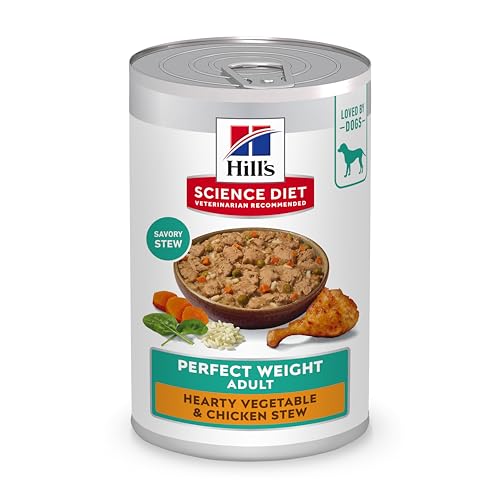
Our top pick is Hill’s Science Diet Adult Perfect Weight because it combines controlled calories with high-quality protein to maintain lean muscle while helping your dog shed pounds. For dogs with sensitive stomachs, Purina Pro Plan Weight Management offers added probiotics for digestive health. If you need a budget-friendly option, Diamond Naturals Light & Fit delivers solid nutrition at a lower price point.
What to consider for Low Calorie Dog Food For Dogs That Overheat
Dogs that overheat often carry extra weight, which increases metabolic heat production and makes it harder for them to cool down. A low-calorie diet helps reduce body fat and the internal heat generated during digestion. Look for foods with moderate protein (20-30% dry matter), reduced fat (8-12% dry matter), and increased fiber (4-8%) to promote satiety without excess calories. Ingredients like L-carnitine can support fat metabolism, while omega-3 fatty acids may help reduce inflammation. Always ensure the food is AAFCO-compliant for your dog’s life stage.
What to look for in a dog food
Choose a formula that is AAFCO complete and balanced for your dog’s life stage (adult or senior). The first ingredient should be a named meat source (e.g., chicken, lamb, salmon) to provide high-quality protein. Protein content should be around 20-30% on a dry matter basis, fat 8-12%, and fiber 4-8%. For large breeds, ensure appropriate calcium and phosphorus levels to support joint health. Omega-3 fatty acids from fish oil or flaxseed can help reduce inflammation. Avoid foods with excessive carbohydrates or fillers.
How we chose these picks
- Evaluated calorie density per cup (targeting under 350 kcal/cup for weight management).
- Reviewed ingredient lists for named protein sources and absence of artificial additives.
- Checked AAFCO nutritional adequacy statements for adult maintenance.
- Considered brand reputation and history of quality control.
- Analyzed customer feedback on palatability and weight loss results.
- Ensured products are widely available and reasonably priced.
- Never ranked a product higher just because it pays a commission.
What to avoid
- Foods that list an unnamed “meat meal” as the primary protein source, as quality and species origin are unclear.
- Defaulting to grain-free or legume-heavy recipes without veterinary advice, given the ongoing FDA investigation into a potential link with canine dilated cardiomyopathy (DCM).
- All-life-stages formulas for large-breed puppies, as they may provide inappropriate calcium levels.
- Abrupt diet changes; transition over 7 to 10 days by mixing increasing amounts of new food with old.
For more guidance, visit our dog guides and explore dog food or dog health resources.


