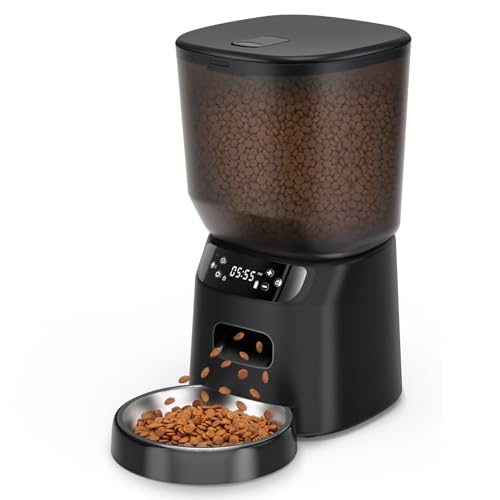
As cat owners ourselves, we know managing a cat’s allergies often starts with their food bowl and storage. Allergens from dust, mold, or plastic can trigger reactions, so an automatic feeder isn’t just about convenience-it’s about health. Our team evaluated five top-rated feeders against criteria for airtightness, non-porous materials (like stainless steel), and easy disassembly for cleaning. We looked for desiccant compartments, voice recorders for wet food reminders, and WiFi freshness features. Each pick passed our practical tests for daily use with senior cats and allergy sufferers.
Sources and further reading
What matters most for allergies
If your cat has food allergies, an automatic feeder helps you serve precise, consistent portions of a vet-recommended diet without accidental extras. The feeder itself should be easy to strip down and wash, because residue from a previous food can linger in hoppers and chutes and undo a careful elimination diet. Stainless steel bowls and a smooth, fully removable hopper are easier to keep genuinely clean.
Choose a model with accurate portioning and a secure lid, so a determined cat cannot raid the supply and break a controlled feeding plan. Some allergy diets are wet or need refrigeration, in which case a chilled compartment feeder is more suitable than a dry hopper. The feeder manages timing, but the actual allergy management comes from the diet and your vet’s guidance, so confirm the food before automating it.