Quick answer
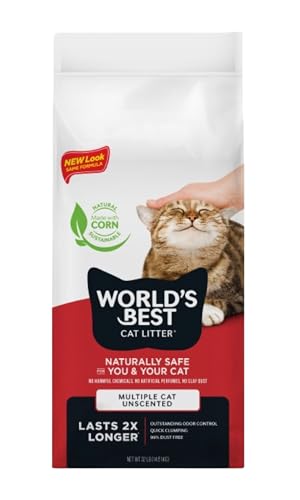
Our top pick is World’s Best Cat Litter Original Unscented. It clumps firmly, controls odors well, and is made from whole-kernel corn, which is safe if ingested. For multi-cat homes, Dr. Elsey’s Precious Cat Ultra Unscented is a close second with superior odor control. If low tracking is your priority, consider Sustainably Yours Natural Clumping Litter.
What to consider for Natural Cat Litter For Cats That Chew Cords
Cats that chew cords often have a tendency to explore with their mouths, so litter ingredients must be non-toxic. Natural litters made from corn, walnut, pine, or paper are safer if ingested. Avoid clumping clay litters that can cause gastrointestinal blockages. Also, choose unscented formulas to avoid attracting your cat to chew the litter itself. Low dust is crucial to prevent respiratory issues that might discourage litter box use.
What to look for in a cat litter or litter-area product
Strong clumping and odor control are paramount to keep the box fresh. Low dust protects feline airways, especially for cats prone to asthma. Low tracking reduces mess around the box. For multi-cat households, choose a litter that handles multiple users without losing effectiveness. Unscented options are best for sensitive cats, as fragrances can deter them from using the box.
How we chose these picks
- Evaluated ingredient safety for ingestion-prone cats.
- Compared clumping ability and odor control based on manufacturer claims and reviews.
- Assessed dust levels using customer feedback and product specifications.
- Considered tracking propensity and box compatibility.
- Prioritized unscented or naturally scented options.
- Included a range of natural materials (corn, walnut, pine, paper).
- Never ranked a product higher just because it pays a commission.
What to avoid
- Heavily scented litters: artificial fragrances can put cats off the box and encourage chewing.
- High-dust clay litters: fine dust can aggravate breathing issues and deter use.
- A box too small or too few boxes: this can cause avoidance behaviors.
- Sudden litter changes: transition gradually over a week to prevent litter box aversion.
For more advice, explore our cat guides, cat food, and cat care products.


