Quick answer
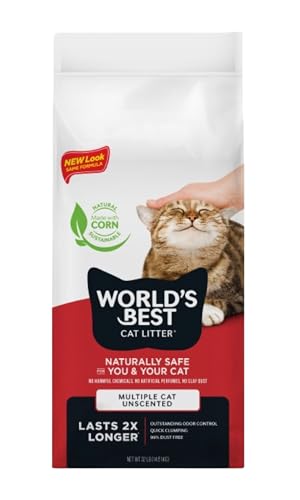
Our top pick is Dr. Elsey’s Precious Cat Ultra Unscented Clumping Clay Litter for its superior clumping, low dust, and unscented formula that protects Persian kittens’ sensitive airways. If you prefer a plant-based option, World’s Best Cat Litter Multiple Cat Unscented offers excellent odor control with minimal dust. For the tightest budget, Arm & Hammer Natural Clumping Litter provides reliable performance at a lower price.
What to consider for Natural Cat Litter For Persian Kittens
Persian kittens have flat faces (brachycephalic) and are prone to respiratory issues, so dust-free or low-dust litter is essential. Their long fur can track litter and cause ingestion during grooming, so low-tracking formulas are important. Additionally, kittens explore with their mouths, so a non-toxic, natural litter is safer. Clumping ability helps with easy scooping and odor control, which is vital for encouraging proper litter box habits.
What to look for in a cat litter or litter-area product
Strong clumping and odor control are key to keeping the box fresh and easy to clean. Low dust is critical for Persian kittens’ sensitive airways and to avoid respiratory irritation. Low tracking reduces mess around the box and minimizes ingestion of litter during grooming. For multi-cat households, choose a litter that controls odors effectively even with multiple users. Unscented options are best because fragrances can deter kittens or cause allergic reactions.
How we chose these picks
- Evaluated dust levels based on manufacturer claims and user reports to prioritize respiratory safety.
- Assessed clumping quality and odor control through ingredient analysis and customer feedback.
- Considered natural, non-toxic ingredients suitable for kittens that may ingest litter.
- Checked for low-tracking properties to reduce mess and grooming-related ingestion.
- Reviewed price per pound to ensure value for long-term use.
- Selected products widely available on Amazon with consistent positive reviews.
- Never ranked a product higher just because it pays a commission.
What to avoid
- Heavily scented litters that can put cats off the box or cause respiratory distress.
- High-dust clay litters that aggravate breathing issues in brachycephalic breeds.
- A box too small or too few boxes for the number of cats, leading to avoidance.
- Sudden litter changes; transition gradually over a week to prevent litter box aversion.
For more tips, explore our cat guides, cat food, and cat care products.