Quick answer
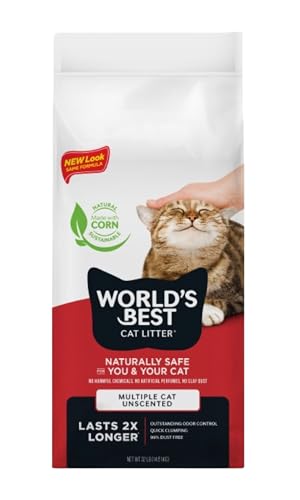
The best natural cat litter for playful cats is World’s Best Cat Litter Multiple Cat Unscented. It clumps quickly, controls odors well, and is made from whole-kernel corn. For cats that kick litter, the Dr. Elsey’s Precious Cat Ultra Unscented offers superior clumping and low dust. If your cat tracks litter everywhere, Frisco Natural Grass Clumping Litter has larger granules that stay in the box better.
What to consider for Natural Cat Litter For Playful Cats
Playful cats often dig and kick litter vigorously, so you need a litter that forms strong clumps that won’t break apart. They also tend to spend more time in the box, making odor control crucial. Low dust is important to protect their respiratory health during energetic digging. Consider a litter with larger granules or a mat to reduce tracking, as playful cats may scatter litter outside the box. Unscented options are generally best to avoid deterring sensitive noses.
What to look for in a cat litter or litter-area product
Look for strong clumping to make scooping easy and prevent ammonia buildup. Odor control is essential, especially for multiple cats. Low dust protects feline airways, particularly for active cats that breathe heavily. Low tracking keeps your home cleaner. Multi-cat suitability ensures the litter can handle increased usage. An unscented option is often preferred to avoid overwhelming sensitive cats.
How we chose these picks
- Evaluated clumping ability based on manufacturer claims and user feedback.
- Assessed odor control using ingredient analysis and reported effectiveness.
- Considered dust levels from product descriptions and customer reviews.
- Checked for natural, biodegradable materials like corn, wheat, grass, or wood.
- Reviewed tracking tendencies reported by users.
- Ensured availability on Amazon with consistent positive ratings.
- Focused on products suitable for playful cats that dig and kick.
- Never ranked a product higher just because it pays a commission.
What to avoid
- Heavily scented litters that can put cats off the box or cause respiratory irritation.
- High-dust clay litters that may aggravate breathing issues in active cats.
- A box that is too small or too few boxes for the number of cats, leading to avoidance.
- Sudden litter changes; transition gradually over a week to prevent litter box aversion.
For more advice, explore our cat guides, cat food, and cat care products.


