Quick answer
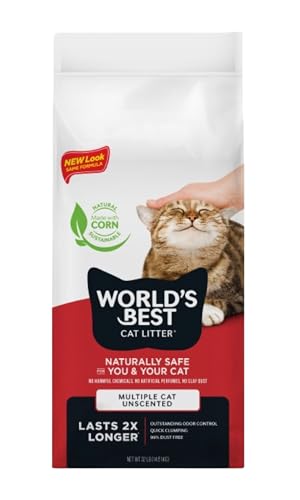
Our top pick is Dr. Elsey’s Precious Cat Ultra Unscented Clay Litter, which offers excellent clumping and odor control with a fine, soft texture that is gentle on paws. For those preferring a plant-based option, World’s Best Cat Litter Multiple Cat Unscented is a close runner-up with superior natural odor control. If dust sensitivity is a primary concern, consider Feline Pine Platinum Non-Clumping Pine Litter for its virtually dust-free formula.
What to consider for Natural Cat Litter For Sensitive Paws
Cats with sensitive paws often have delicate paw pads that can be irritated by rough, sharp, or overly large litter granules. The texture should be soft and fine, similar to sand or small pellets, to avoid discomfort when walking or digging. Additionally, many cats with paw sensitivity also have respiratory sensitivities, so low-dust or dust-free options are important. Unscented litters are generally preferred because artificial fragrances can be overwhelming and may deter cats from using the box. Finally, consider the litter’s clumping ability: strong clumps make scooping easier and keep the litter box cleaner, reducing the chance of paw irritation from wet litter.
What to look for in a cat litter or litter-area product
When choosing a natural cat litter for sensitive paws, prioritize strong clumping and odor control to maintain a clean environment. Low dust is crucial for feline airways, especially in cats with asthma or allergies. Low tracking helps keep litter from scattering around the house, which is a common concern with fine-textured litters. For multi-cat households, ensure the litter can handle multiple cats without losing effectiveness. Finally, always opt for an unscented option to avoid overwhelming your cat’s sensitive nose.
How we chose these picks
- Evaluated litter texture and particle size for paw-friendliness.
- Reviewed ingredient lists to ensure natural, non-toxic materials.
- Considered dust levels based on customer feedback and product descriptions.
- Assessed clumping strength and odor control efficacy.
- Checked for unscented formulas to minimize chemical exposure.
- Included options for different budgets and household sizes.
- Never ranked a product higher just because it pays a commission.
What to avoid
- Heavily scented litters that can put cats off the box and cause respiratory irritation.
- High-dust clay litters that may exacerbate breathing issues in sensitive cats.
- A box too small or too few boxes for the number of cats, which can lead to litter box aversion.
- Sudden litter changes; always transition gradually over a week to avoid stress.
For more cat care advice, explore our cat guides, cat health, and cat care products sections.