Quick answer
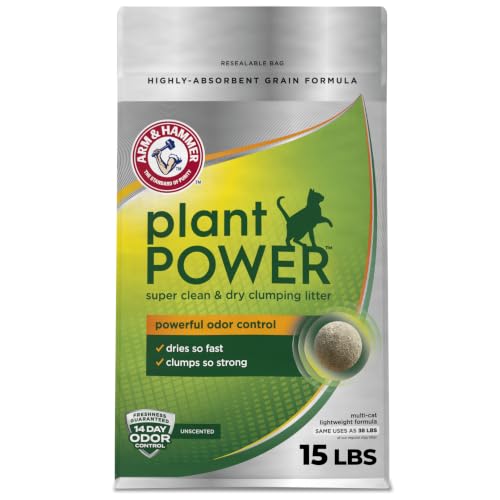
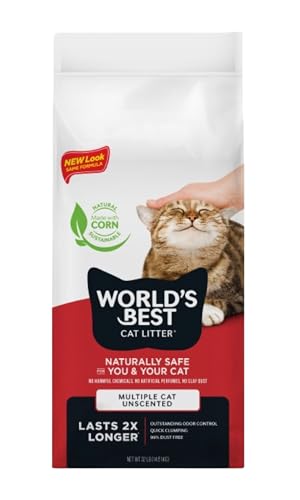
Our top pick is World’s Best Cat Litter Multiple Cat Unscented. Its strong clumping and natural corn-based formula handle the moisture and odor from wet food diets effectively. For a low-dust option, consider Dr. Elsey’s Precious Cat Ultra Unscented. If you prefer a plant-based litter with excellent odor control, try Sustainably Yours Natural Lavender.
What to consider for Natural Cat Litter For Wet Food Diets
Cats on wet food diets produce stools with higher moisture content and stronger odor due to the high protein content. This means the litter must clump firmly to prevent mushiness and control ammonia smells. Natural litters (corn, walnut, grass, wood) are preferable because they avoid the respiratory risks of silica dust and the environmental impact of clay mining. However, not all natural litters clump equally well; some may turn to sludge with wet food waste. Look for litters labeled “extra strong clumping” or “hard clumping.” Also consider the litter’s ability to neutralize odors without heavy perfumes, as cats have sensitive noses and may avoid scented litter. Finally, since wet food diets can increase litter box usage, choose a litter that is low tracking to reduce mess.
What to look for in a cat litter or litter-area product
Strong clumping and odor control are paramount for wet food diets. The litter should form hard, scoopable clumps that don’t break apart. Low dust is critical for feline respiratory health; avoid litters that produce a cloud when poured. Low tracking features (larger granules or special shapes) help keep the litter in the box. For multi-cat households, choose a litter that can handle multiple cats without losing effectiveness. Unscented options are best for sensitive cats, as artificial fragrances can deter use. Consider the material: corn, walnut, grass, and wood are popular natural choices. Each has different absorbency and clumping properties, so read reviews for real-world performance with wet food diets.
How we chose these picks
- We evaluated litters based on clumping strength and odor control, especially for high-moisture waste from wet food diets.
- We prioritized natural, plant-based materials over clay or silica to minimize dust and environmental impact.
- We considered customer reviews for real-world performance, focusing on feedback from owners of cats on wet food diets.
- We checked for low-dust certifications or claims to protect feline respiratory health.
- We compared price per pound and longevity to ensure value for money.
- We looked for unscented options to avoid deterring cats with sensitive noses.
- We verified availability on Amazon for easy purchase.
- Never ranked a product higher just because it pays a commission.
What to avoid
- Heavily scented litters: Strong perfumes can put cats off the box, leading to avoidance and inappropriate elimination.
- High-dust clay litters: These can cause respiratory issues in cats, especially those with asthma or allergies.
- A box too small or too few boxes: For multiple cats, follow the rule of one box per cat plus one extra. A cramped box can cause stress and accidents.
- Sudden litter changes: Gradually mix new litter with old over a week to allow your cat to adjust and avoid litter box aversion.
For more guidance, explore our cat guides, cat food, and cat care products.