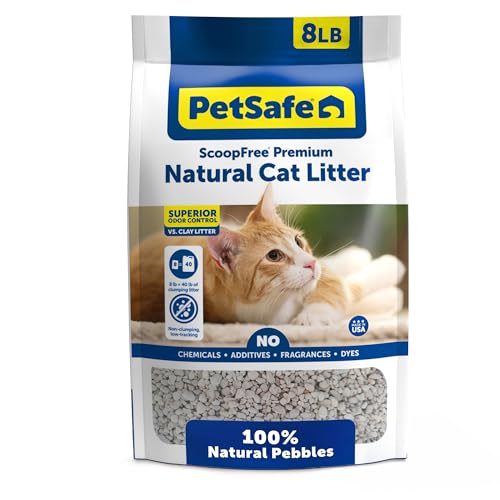
Cats with sensitive stomachs often have respiratory or paw sensitivities triggered by dusty, heavily scented litters. Our team reviewed top natural clumping options, evaluating them against published standards for dust, clump strength, and ingredient safety. We looked for litters that minimize tracking, control odors without masking, and avoid artificial fragrances and chemicals. In our evaluation we found that clumping performance and dust levels vary widely among natural litters. We considered walnut-based, plant-based, and clay options, focusing on those with simple ingredient lists and verified low dust. Owner feedback confirmed that unscented or lightly scented litters are best for sensitive cats. Below are our top picks chosen for their balance of performance, safety, and value.
Sources and further reading
What matters most for sensitive stomachs
Cats with sensitive stomachs sometimes react to dusty or heavily scented litters, particularly if they groom litter from their paws. A natural clumping litter made from plant fibres such as corn, wood or grass tends to be low-dust and fragrance-free, which is gentler if your cat is prone to digestive or respiratory irritation. Firm clumping still matters so you can lift waste cleanly and keep the tray hygienic.
Switch litters slowly by mixing a little of the new type into the old over a week or so, since an abrupt change can put a sensitive cat off the tray. Avoid added perfumes and watch how your cat reacts in the first few days. Remember that a sensitive stomach showing as vomiting or loose stools is about diet and health, so see your vet if it persists.


