Quick answer
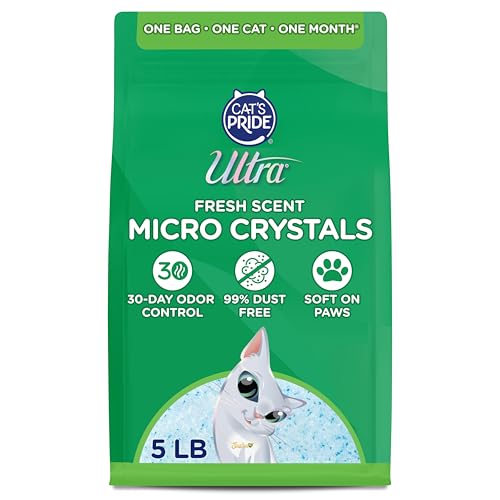
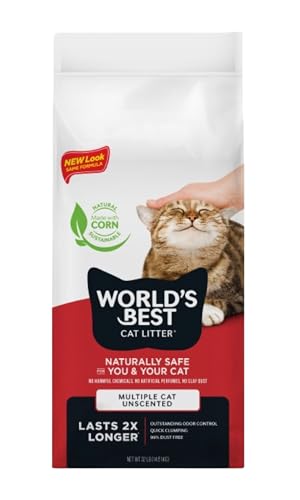
The best non-clumping cat litter for bored cats is Dr. Elsey’s Precious Cat Ultra Unscented Clay Litter. Its fine-grain texture and excellent odor control keep cats interested and the box fresh. For cats that prefer a softer feel, Arm & Hammer Super Scoop Unscented is a close runner-up with added baking soda.
What to consider for Non Clumping Cat Litter For Bored Cats
Bored cats often need environmental enrichment, and the litter box is no exception. Non-clumping litters can provide a different digging experience, but they require more frequent full changes to control odor. Choose a litter with low dust to protect respiratory health, and consider unscented options to avoid deterring sensitive noses. Texture matters: some cats prefer fine sand-like grains, while others like larger crystals. A litter that tracks less can also reduce mess, keeping the area cleaner and more inviting.
What to look for in a cat litter or litter-area product
Strong odor control is essential, especially with non-clumping litters that don’t trap waste as effectively. Low dust is critical for cats with asthma or allergies. Low tracking reduces scatter, making cleanup easier. For multi-cat homes, choose a litter that can handle multiple users without rapid odor buildup. Unscented options are best for sensitive cats who may avoid heavily perfumed boxes.
How we chose these picks
- Evaluated product specifications and ingredient lists for safety and performance.
- Reviewed customer feedback on odor control, dust levels, and tracking.
- Considered texture and grain size to suit bored cats who enjoy digging.
- Checked for unscented or naturally scented options to avoid deterring cats.
- Ensured products are widely available and affordable for most budgets.
- Selected a range of materials: clay, crystal, plant-based, and recycled paper.
- Never ranked a product higher just because it pays a commission.
What to avoid
- Heavily scented litters that can put cats off the box due to strong perfume.
- High-dust clay litters that may cause respiratory issues in sensitive cats.
- A box that is too small or too few boxes for the number of cats; follow the rule of one box per cat plus one extra.
- Sudden litter changes; transition gradually over a week to avoid litter box aversion.
For more guidance, visit our cat guides, cat health, and cat care products sections.