Quick answer
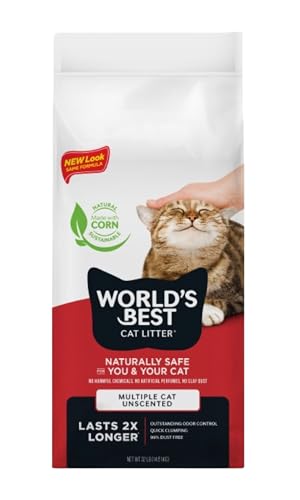
The best non-clumping cat litter for apartments is Dr. Elsey’s Precious Cat Ultra Unscented Clay Litter. It offers excellent odor control and low dust, ideal for small spaces. For natural options, World’s Best Cat Litter Multiple Cat Unscented is a top runner-up. If you need extreme odor control, Arm & Hammer Super Scoop is a strong choice.
What to consider for Non Clumping Cat Litter For Cats In Apartments
Apartment living means limited space and ventilation, so odor control is critical. Non-clumping litters absorb urine but don’t form solid clumps, requiring more frequent full changes. Dust levels matter for both cats and humans, especially in small rooms. Tracking can be an issue, so look for low-tracking formulas. Additionally, consider the litter’s weight if you need to carry it up stairs, and whether your cat prefers unscented options to avoid litter box aversion.
What to look for in a cat litter or litter-area product
Strong odor control is essential for apartments, especially with non-clumping litters that don’t isolate waste. Low dust protects feline respiratory health and keeps surfaces cleaner. Low tracking minimizes scatter on floors. Multi-cat formulas help if you have more than one cat. An unscented option is often best for sensitive cats who may avoid heavily perfumed litter.
How we chose these picks
- Evaluated odor control performance based on product claims and customer reviews.
- Assessed dust levels from manufacturer descriptions and user feedback.
- Considered tracking potential by reviewing litter particle size and texture.
- Checked suitability for multi-cat households where applicable.
- Prioritized unscented or lightly scented options for sensitive cats.
- Selected products widely available on Amazon with consistent positive feedback.
- Never ranked a product higher just because it pays a commission.
What to avoid
- Heavily scented litters that can deter cats from using the box.
- High-dust clay litters that may aggravate breathing issues in cats or humans.
- Using a litter box that is too small or having too few boxes for the number of cats.
- Sudden litter changes; transition gradually to avoid litter box aversion.
For more tips, see our cat guides, cat care products, and cat health resources.