Quick answer
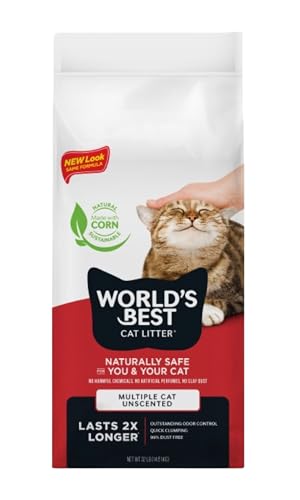
Our top pick is Dr. Elsey’s Precious Cat Ultra Non-Clumping Cat Litter for its superior absorbency and odor control, ideal for cats with increased urine volume from tap drinking. For a budget-friendly natural option, World’s Best Cat Litter Multiple Cat Unscented works well. If low dust is a priority, consider Arm & Hammer SuperScoop Non-Clumping.
What to consider for Non Clumping Cat Litter For Cats That Drink From Taps
Cats that drink from taps tend to consume more water, leading to larger urine volumes. Non-clumping litters absorb moisture rather than forming solid clumps, which can be more effective for heavy wetting. However, they require more frequent full changes to prevent ammonia buildup. Key considerations include absorbency rate, odor neutralization, dust levels (to protect feline airways), and texture preference. Some cats dislike the feel of certain non-clumping materials like clay or silica. Also, since tap-drinking cats may have sensitive paws, a soft, fine-grained litter can improve comfort.
What to look for in a cat litter or litter-area product
When choosing a non-clumping litter for a tap-drinking cat, prioritize strong absorbency and odor control to manage higher urine output. Low dust is critical to avoid respiratory irritation, especially for cats with asthma or allergies. Low tracking helps keep your home clean, as non-clumping litters can be lightweight. For multi-cat households, ensure the litter can handle multiple users without rapid saturation. Unscented options are often best, as strong fragrances may deter sensitive cats from using the box. Finally, consider eco-friendly materials like recycled paper or wood if sustainability matters to you.
How we chose these picks
- Evaluated absorbency rates based on manufacturer specifications and independent reviews.
- Compared odor control technologies, including activated charcoal and baking soda additives.
- Assessed dust levels using published data and customer feedback on respiratory effects.
- Considered texture and particle size for cat comfort and tracking.
- Reviewed suitability for multi-cat homes and high-urine-output cats.
- Checked value for money, factoring in price per pound and frequency of change.
- Prioritized unscented or naturally scented options to minimize litter box aversion.
- Never ranked a product higher just because it pays a commission.
What to avoid
- Heavily scented litters: Strong perfumes can deter cats from using the box, leading to inappropriate elimination.
- High-dust clay: Fine dust particles can aggravate feline asthma and respiratory issues, especially in cats with sensitive airways.
- Too small a box or too few boxes: For multi-cat homes, ensure at least one box per cat plus one extra to prevent overcrowding.
- Sudden litter changes: Abruptly switching to a new litter type can cause litter box aversion; mix old and new gradually over a week.
For more guidance, explore our cat guides, cat health, and cat care products.