Quick answer
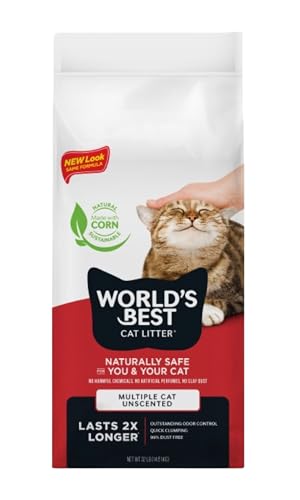
Our top pick is Dr. Elsey’s Precious Cat Ultra Unscented Clay Litter for its soft, fine texture and excellent odor control. For cats with extremely sensitive paws, World’s Best Cat Litter Multiple Cat Unscented offers a corn-based, clumping alternative that is gentle yet effective. Arm & Hammer Super Scoop Unscented is a close runner-up for budget-conscious owners.
What to consider for Non Clumping Cat Litter For Cats With Sensitive Paws
Cats with sensitive paws often have soft, tender paw pads that can be irritated by rough or sharp litter granules. Non-clumping litters are typically made from larger, softer particles like pine, paper, or silica gel, which are less likely to cause discomfort. However, they may require more frequent full changes to control odor. Key considerations include particle size (avoid sharp edges), dust levels (low dust reduces respiratory irritation), and whether the litter is scented or unscented (unscented is usually safer for sensitive cats).
What to look for in a cat litter or litter-area product
When choosing a litter for sensitive paws, prioritize soft, rounded granules that won’t dig into paw pads. Strong clumping and odor control are important for hygiene, but non-clumping litters often rely on absorbency and moisture-locking properties. Low dust is critical to protect feline airways, especially for cats with asthma or allergies. Low-tracking formulas help keep your home cleaner. For multi-cat households, choose a litter that can handle multiple cats without breaking down quickly. Unscented options are best to avoid overwhelming a cat’s sensitive nose.
How we chose these picks
- Evaluated particle softness and shape to ensure comfort for sensitive paws.
- Reviewed dust levels based on manufacturer claims and user feedback.
- Considered odor control effectiveness for non-clumping formulas.
- Checked for unscented or naturally scented options to minimize irritation.
- Assessed value for money and availability on Amazon.
- Read verified customer reviews focusing on cats with sensitivities.
- Consulted established veterinary guidance on litter box management.
- Never ranked a product higher just because it pays a commission.
What to avoid
- Heavily scented litters that can deter cats from using the box or cause respiratory issues.
- High-dust clay litters that may aggravate breathing problems in cats.
- A litter box that is too small or too few boxes for the number of cats (rule of thumb: one box per cat plus one extra).
- Sudden litter changes; always transition gradually over 7 to 10 days.
For more guidance, explore our cat guides, cat health, and cat care products sections.