Quick answer
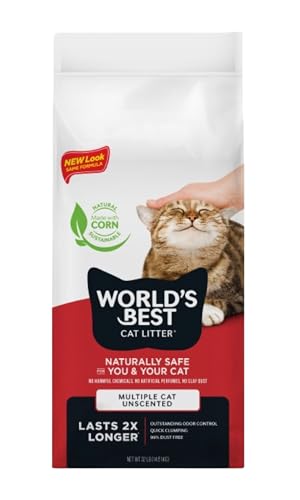
For most cats with sensitive paws, our top pick is Dr. Elsey’s Precious Cat Ultra Unscented Clay Litter. Its fine, soft texture is gentle on paws while providing excellent odor control. If your cat needs a virtually dust-free option, consider Arm & Hammer Cloud Control Platinum Litter. For a natural alternative, World’s Best Cat Litter Multiple Cat Unscented offers a corn-based, soft texture.
What to consider for Non Clumping Cat Litter For Sensitive Paws
Cats with sensitive paws often react to rough, sharp, or overly large litter granules. Non-clumping litters are typically softer than clumping varieties because they lack binding agents. Look for litters made from materials like fine clay, silica gel, or plant-based fibers that are smooth and rounded. Avoid litters with added perfumes or harsh chemicals that can irritate paw pads. Also consider dust levels, as high dust can aggravate both paws and respiratory systems.
What to look for in a cat litter or litter-area product
When choosing a litter for sensitive paws, prioritize these features: strong odor control without heavy scents, low dust to protect feline airways, low tracking to minimize litter scatter, multi-cat suitability if you have more than one cat, and an unscented option to avoid overwhelming your cat’s senses. A soft texture is key, so look for fine granules or silica crystals that are smooth to the touch.
How we chose these picks
- Evaluated litter texture and softness based on product descriptions and customer feedback.
- Compared dust levels using manufacturer claims and independent reviews.
- Assessed odor control effectiveness through ingredient analysis and user reports.
- Considered value for money by calculating cost per use and longevity.
- Checked for unscented or lightly scented options suitable for sensitive cats.
- Reviewed brand reputation and safety standards.
- Never ranked a product higher just because it pays a commission.
What to avoid
- Heavily scented litters that can deter cats from using the box or cause paw irritation.
- High-dust clay litters that may exacerbate breathing issues in cats with asthma or allergies.
- A litter box that is too small or too few boxes for the number of cats, leading to stress and avoidance.
- Sudden litter changes without a gradual transition, which can upset your cat’s routine and cause litter box aversion.
For more guidance, explore our cat guides, cat care products, and cat health resources.