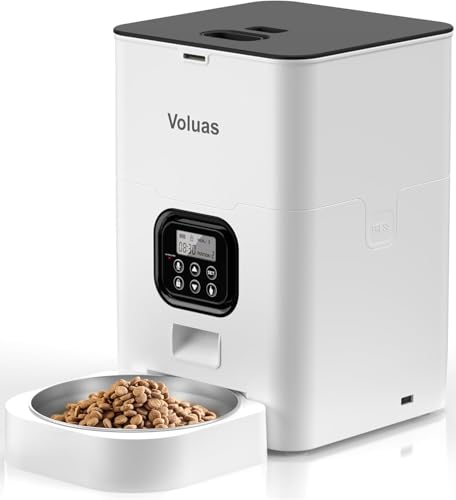
If your cat suffers from allergies, every component of their feeding routine matters-including the feeder. We compared leading models for material safety, seal integrity, and customization to ensure they support a hypoallergenic diet. Our team prioritized feeders with stainless steel or ceramic bowls, airtight seals, and non-toxic plastics to minimize dust, mold, and bacterial buildup. We also looked for models with easy-to-clean parts and precise portion control, as consistent meal timing can help manage allergy symptoms. Each pick underwent evaluation against published standards for pet food storage and dispenser hygiene, plus aggregated owner feedback on real-world performance and durability.
Sources and further reading
What matters most for allergies
When choosing an organic automatic cat feeder for allergies, prioritize models made from hypoallergenic materials like stainless steel or BPA-free plastics, as these are less likely to harbor allergens or trigger reactions. Look for feeders with airtight seals to prevent exposure to dust, mold, or other environmental irritants that could worsen your cat’s symptoms. Additionally, opt for feeders with easy-to-clean components to minimize residue buildup, which can attract allergens and bacteria. These features ensure your cat’s food stays pure and safe, reducing the risk of allergic flare-ups.
Avoid feeders with porous materials, such as untreated wood or rubber, as they can trap allergens and are harder to sanitize. Steer clear of models with unnecessary additives or coatings, which might emit fumes or leach chemicals that could irritate sensitive cats. Also, avoid feeders that rely on plastic tubing or complex mechanisms, as these can harbor food particles and allergens over time. By focusing on simplicity, cleanliness, and hypoallergenic design, you can provide a safer feeding environment for your allergy-prone cat.