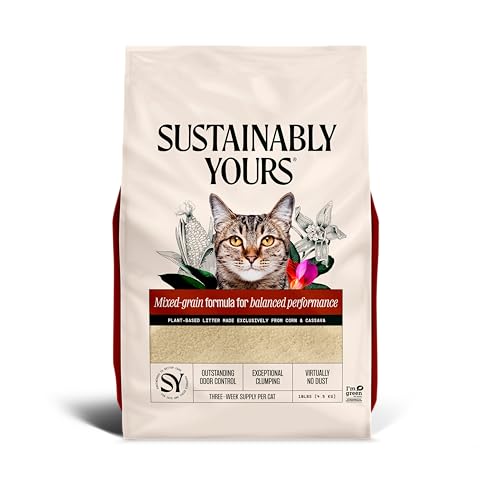
If you or your cat suffer from allergies, choosing the right litter is crucial. We researched several organic and natural litters to see which ones minimize dust, control odors, and avoid synthetic fragrances that can trigger reactions. Our picks focus on plant-based and clay options with low dust and proven performance. We looked for litters made from renewable materials like walnut shells and mixed grains, as well as unscented clumping clay for those needing a traditional texture. Our evaluation considered dust levels during pouring and scooping, clumping strength to prevent crumbling, and odor control without artificial scents. We also reviewed owner feedback for long-term allergy relief.
Sources and further reading
What matters most for allergies
For households where someone reacts to dust or fragrance, the litter choice is as much about the air as the box. Plant based litters made from compressed wood, tofu, walnut shell or paper tend to produce far less fine clay dust, which is the part that hangs in the air and irritates noses and eyes. Choose an unscented version, since added perfumes are a common trigger for both people and sensitive cats.
Pour low and keep the box in a ventilated spot to limit airborne particles. A covered box or a high sided tray also helps contain dust when your cat digs. Some allergies are to the cat rather than the litter, so if symptoms persist after switching, it is worth a chat with your GP or allergist. If your cat itches or sneezes, mention the litter change to your vet.