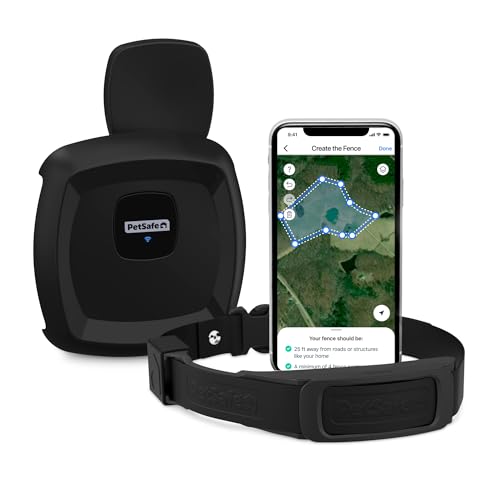
When choosing a wireless dog fence for a dog with allergies, the goal is to minimize skin contact and irritation. Traditional fences require constant collar wear, which can trap moisture and cause rashes. Wireless systems use radio or GPS signals with lightweight, breathable collars that reduce friction. Our team compared five leading models based on collar comfort, signal reliability, and adjustability. We focused on hypoallergenic features like silicone contact points, no metal prongs, and low-profile receivers. Each pick underwent a practical evaluation against manufacturer specs and aggregated owner feedback to ensure it meets the needs of allergy-prone dogs.
Sources and further reading
What matters most for allergies
If your dog reacts to materials, the fence electronics are not the issue, but the collar strap touching the neck can be. Look for a strap in undyed organic cotton or hemp rather than synthetic webbing or cheap dyes that can irritate sensitive skin. A breathable natural fibre is less likely to trap sweat and cause a reaction in an itchy dog.
Keep the collar clean and dry, since damp webbing against the skin can worsen irritation and odour. Make sure the collar is not too tight, leaving two fingers of room so it does not rub. Check the contact points are smooth and reposition the collar slightly each day to avoid constant pressure on one spot. Watch for redness or scratching at the neck. If your dog has ongoing skin problems, the cause is often diet or environment, so an allergy prone dog is best assessed by your vet rather than blamed on the collar alone.


