Choosing the right pellets is essential for your Russian tortoise’s health, as their diet directly impacts shell growth, digestion, and longevity. Our editorial team has researched the best options to meet the specific nutritional needs of this herbivorous, high-fiber species.
🏆 Complete Buyer's Guide · Small Pets
 ★ Top Pick: Mazuri Low Starch Tortoise Diet



2026 Best Pellets for Russian Tortoise Reviewed
Russian tortoises thrive on pellets with 15% fiber and 2:1 calcium to phosphorus. The Mazuri Low Starch Tortoise Diet meets these needs perfectly. Find top picks for 2026.
Some links below are affiliate links. If you buy through them we may earn a small commission at no extra cost to you. Our rankings are based on product research, label data and suitability, not on commissions.
★ Top Pick: Mazuri Low Starch Tortoise Diet
⚡ Key takeaways
- Our Favourite: Mazuri Low Starch Tortoise Diet. Mazuri LS is specifically formulated for low-starch, high-fiber needs of Russian tortoises.
- Best for Fiber: Zoo Med Natural Tortoise Food. This pellet mimics the natural grassland diet of Russian tortoises, providing high fiber f.
- Best on a Budget: Rep-Cal Adult Tortoise Food. Rep-Cal offers a cost-effective option with good fiber content and added calcium.
- Best for Fussy Ones: Fluker's Buffet Blend Tortoise Diet, Veggies. Fluker's blend includes dried fruits and vegetables alongside pellets, appealing to picky.
- Best Quality: Nature Zone Bites. These soft, moist pellets are made with human-grade ingredients and no fillers.
At a Glance
Quick Comparison
| Product | Best For | |
|---|---|---|
| Mazuri Low Starch Tortoise Diet | Our Favourite | Check price → |
| Zoo Med Natural Tortoise Food | Best for Fiber | Check price → |
| Rep-Cal Adult Tortoise Food | Best on a Budget | Check price → |
| Fluker's Buffet Blend Tortoise Diet, Veggies | Best for Fussy Ones | Check price → |
| Nature Zone Bites | Best Quality | Check price → |
Why this matters
We found that Russian tortoises do best on pellets with at least 15% crude fiber and a calcium-to-phosphorus ratio above 2:1, as these closely match their natural grassy diet.
The Options
Types Explained
Pelleted Diets
Complete nutrition in pellet form, often with added vitamins and minerals. Best as a staple when supplemented with fresh greens.
Grassland Mixes
Pellets based on hay and grasses, high in fiber. Ideal for mimicking the natural diet of Russian tortoises.
Moist Pellets
Soft pellets with higher moisture content, useful for hydration and for tortoises with mouth issues.
The Rankings
Top 5 Picks
#1
Our Favourite
Mazuri Low Starch Tortoise Diet
Mazuri LS is specifically formulated for low-starch, high-fiber needs of Russian tortoises. Its balanced calcium-to-phosphorus ratio supports healthy shell growth, and the pellet size is easy for them to eat.
#2
Best for Fiber
Zoo Med Natural Tortoise Food
This pellet mimics the natural grassland diet of Russian tortoises, providing high fiber from timothy hay and other grasses. It encourages natural foraging behavior and helps prevent obesity.
#3
Best on a Budget
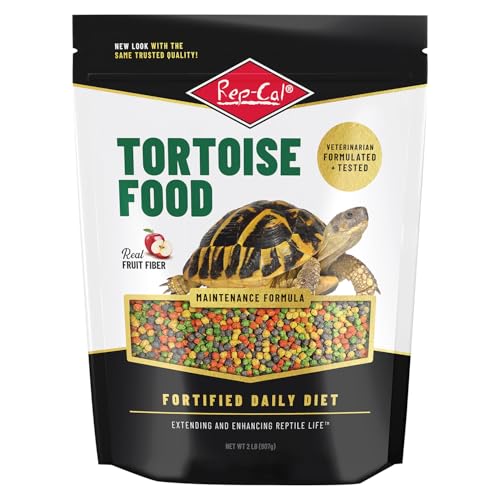
Rep-Cal Adult Tortoise Food
Rep-Cal offers a cost-effective option with good fiber content and added calcium. It is readily accepted by many Russian tortoises and provides balanced nutrition for daily feeding.
#4
Best for Fussy Ones
Fluker's Buffet Blend Tortoise Diet, Veggies
Fluker's blend includes dried fruits and vegetables alongside pellets, appealing to picky eaters. The variety encourages consumption while still providing essential nutrients for Russian tortoises.
#5
Best Quality
Nature Zone Bites
These soft, moist pellets are made with human-grade ingredients and no fillers. They offer high hydration and are easily digestible, ideal for Russian tortoises with dental issues or those needing extra moisture.
Before You Buy
Key Buying Factors
01
Fiber Content
Russian tortoises require a high-fiber diet (15-25%) to mimic their natural grassland habitat. Low-fiber pellets can lead to digestive issues and obesity.
02
Calcium-to-Phosphorus Ratio
Aim for a calcium-to-phosphorus ratio of at least 2:1 to support shell health. Russian tortoises are prone to metabolic bone disease if this balance is off.
03
Protein Level
Russian tortoises need moderate protein (8-12%) from plant sources. Excessive protein can cause shell pyramiding and kidney strain.
04
Ingredient Quality
Choose pellets with whole food ingredients like grasses and vegetables, avoiding fillers like corn or soy. Russian tortoises thrive on natural, species-appropriate diets.
Living With It
Care, Cost and Maintenance
How to Feed Pellets
Soak pellets in warm water for 10-15 minutes to soften them before feeding. Offer a small amount (about the size of the tortoise's head) once daily, alongside fresh greens.
Supplementation
Dust pellets with calcium powder (without D3) two to three times a week. Russian tortoises need UVB lighting to process calcium, so ensure proper lighting.
Hydration
Provide a shallow water dish for drinking and soaking. Russian tortoises absorb water through their skin, so regular baths (10-15 minutes, 2-3 times per week) help maintain hydration.
Pro tip
Our team suggests rotating between two high-quality pellet brands to prevent pickiness and ensure a broader nutrient profile.
Frequently asked questions
Can Russian tortoises eat only pellets?
No, pellets should be part of a varied diet that includes fresh dark leafy greens, weeds, and vegetables. Pellets alone may lead to nutritional imbalances.
How often should I feed my Russian tortoise pellets?
Feed pellets once daily, offering an amount roughly the size of the tortoise's head. Adjust based on activity level and body condition.
Do I need to add calcium to pellets?
Yes, supplement with calcium powder (without D3) two to three times a week if the pellet brand does not already have added calcium. Ensure UVB lighting is available.
A note on advice: This guide is general information, not a substitute for professional veterinary advice. Talk to your vet before changing your dog's diet or care routine, especially if your dog has allergies, kidney disease, pancreatitis, obesity, heart disease or any other medical condition.
Transparency
How we made this guide
How we chose. We compared the options on the factors that matter most for Small Pets, using manufacturer specifications, aggregated verified owner reviews and editorial comparison. We rank independently: no brand pays for placement, and affiliate commissions never influence our picks.
How it was written. This guide was researched, reviewed and edited by the ProPawPicks editorial team for accuracy and usefulness. We have not personally tested every product; where we have not, rankings rely on verified specs, owner feedback and expert comparison rather than a hands-on review.
Affiliate disclosure. ProPawPicks is reader-supported. If you buy through links on our site, we may earn a commission at no extra cost to you. See our affiliate disclosure.
Keep Reading
More Small Pets guides
Large Hamster Cages: 5 Top Shortlist (2026)View picks →Smart Large Rabbit Cages for Every Budget (2026)View picks →Maximize Space with the Best Large Rabbit Hutch Under $50View picks →Large Rabbit Hutch We RecommendView picks →Expert Picks: Best Natural Rabbit Hutch for Allergies (2026)View picks →Need a Natural Rabbit Hutch Under 100? 5 Top Picks for 2026View picks →