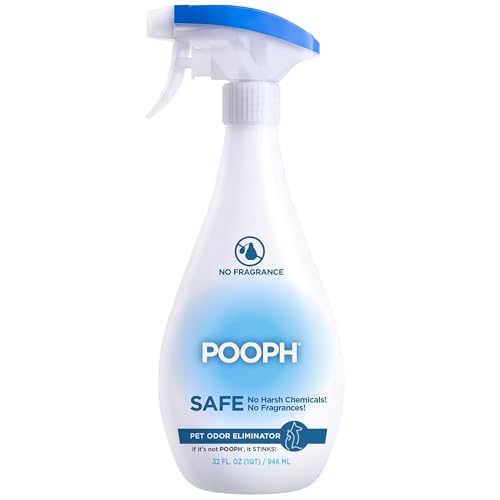
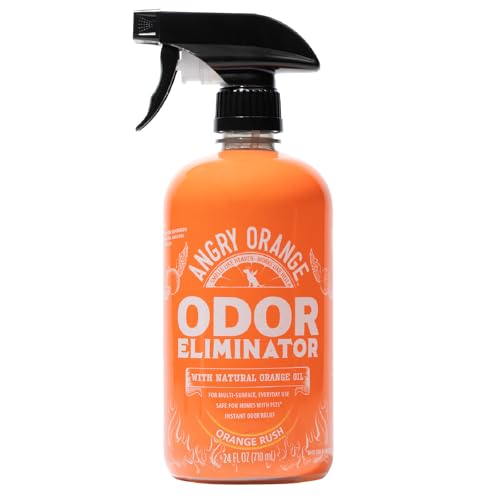
The best pet deodorizer neutralizes odor molecules at the source rather than masking them, and for most homes a molecular enzyme-style eliminator like Pooph offers the safest, most effective everyday performance. For pet owners who want a plant-based formula with a pleasant scent, Mrs. Meyer's Clean Day Pet Odor Neutralizer is an excellent vet-approved choice.
1-2 min
Typical dwell time before odors break down
70%
Of pet odor comes from bacteria, not the pet
<2 hrs
Time uric acid sets into porous surfaces
0
Phthalates in plant-based neutralizer formulas
As a practicing veterinarian, I get asked about pet odor more than almost any other home-care question. The truth is that most lingering smells, whether from a dog bed, a litter box, or an accident on the carpet, come from bacteria and uric acid crystals that ordinary air fresheners simply cover up. A genuine pet deodorizer either traps and breaks down those odor molecules or uses enzymes to digest the organic source, which is why product chemistry matters far more than fragrance.
When choosing one, look for a formula that targets odor at the molecular or enzymatic level, is safe to use around animals once dry, and is labeled non-toxic with no harsh phthalates. Consider where you will use it: a fabric and carpet spray differs from a litter additive or an air-and-surface mist. The right pick balances real odor elimination with ingredient safety for the species in your home.
Why this matters Many pet owners reapply deodorizer too soon and assume it failed, when the real issue is that uric acid crystals reactivate with humidity and need a product that fully digests them, not just one that smells fresh on contact. In my experience, a single thorough enzymatic or molecular treatment with proper dwell time outperforms repeated light spritzing, because shortcut applications never reach the crystals embedded deep in padding or grout.
Pro tip Buy one large concentrated molecular eliminator for tough accidents and a small scented spray for daily freshening, rather than overpaying for many single-use bottles. Treating odors promptly, before they set into porous surfaces, saves far more product in the long run.