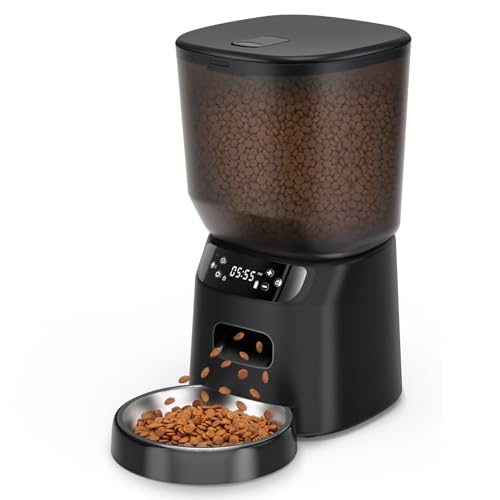
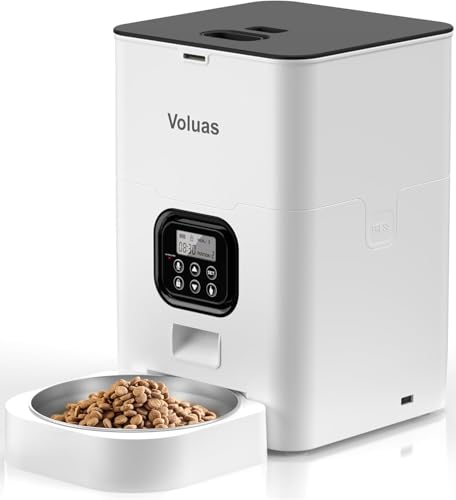
Managing cat allergies while keeping your feline friend well-fed requires careful equipment choices. After comparing top portable automatic feeders against our standards for material safety, seal quality, and cleanability, we selected these models for their ability to reduce allergen transfer. Our team focused on stainless steel bowls (non-porous, easy to sanitize), airtight lids to trap dust and dander, and simple disassembly for thorough cleaning. Each pick earned its place through a combination of manufacturer specs and aggregated owner feedback on real-world allergy management.
Sources and further reading
What matters most for allergies
When choosing a portable automatic cat feeder for allergies, prioritize models with airtight seals and hypoallergenic materials to prevent allergen buildup. Dust, mold, and food particles can trigger allergic reactions, so look for feeders with removable, dishwasher-safe parts to ensure thorough cleaning. Stainless steel or ceramic components are ideal as they resist bacteria and are less likely to harbor allergens compared to plastic. A feeder with a sealed food compartment will also keep kibble fresh and minimize exposure to environmental irritants that could worsen allergies.
Avoid feeders with complex crevices or non-removable parts, as these can trap allergens and be difficult to clean. Steer clear of models with porous materials like certain plastics or rubber seals, which can absorb moisture and promote mold growth. If your cat has food allergies, ensure the feeder allows precise portion control to avoid cross-contamination with other foods. A well-chosen feeder reduces allergen exposure, helping your cat breathe easier and stay comfortable during meals.