Quick answer
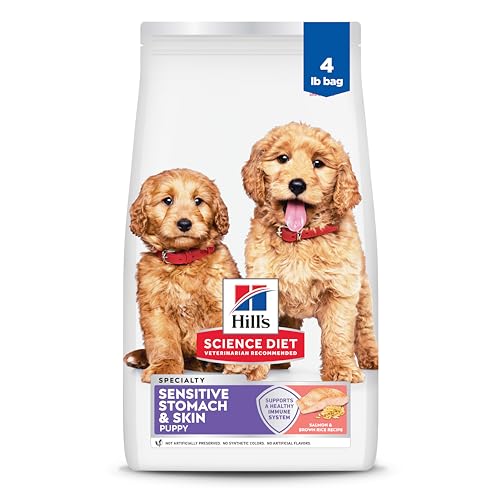
For most puppies flying, our top pick is Purina Pro Plan Puppy Small Breed Dry Dog Food. Its small kibble and balanced nutrition make it easy to pack and digest. If your puppy has a sensitive stomach, Hill’s Science Diet Puppy Sensitive Stomach & Skin is a great alternative. For budget-conscious travelers, Iams ProActive Health Puppy offers reliable quality at a lower price.
What to consider for Puppy Food For Airline Travel
When flying with a puppy, the food must be dry kibble to comply with TSA liquid restrictions. It should be compact, easy to portion, and low in odor to avoid bothering fellow passengers. The kibble size matters: small or tiny bites are easier for puppies to eat in a moving plane. Also, consider the food’s digestibility to minimize accidents during the flight. Look for recipes with limited ingredients to reduce the risk of digestive upset from travel stress.
What to look for in a dog food
First, ensure the food has an AAFCO statement confirming it is complete and balanced for growth (puppy life stage). The first ingredient should be a named meat source like chicken, lamb, or salmon. Protein content should be between 22% and 32% on a dry matter basis, fat between 8% and 20%, and calories around 300 to 400 kcal per cup, but these are general ranges; consult your vet for your puppy’s specific needs. For small breed puppies, choose a formula with smaller kibble and appropriate calcium levels. Large breed puppies require controlled calcium and phosphorus to support proper bone development. Omega-3 fatty acids (like DHA) are beneficial for brain and eye development.
How we chose these picks
- Evaluated each product’s AAFCO statement for growth life stage.
- Checked that the first ingredient is a named meat protein source.
- Reviewed kibble size and shape for easy feeding during travel.
- Considered digestibility and limited ingredient options for sensitive stomachs.
- Ensured the food is widely available and affordable for most pet owners.
- Read manufacturer transparency about sourcing and quality control.
- Never ranked a product higher just because it pays a commission.
What to avoid
- Foods with unnamed “meat meal” as the primary protein source; opt for named meals like chicken meal.
- Grain-free or legume-heavy recipes unless your vet specifically recommends them, due to the FDA’s ongoing investigation into a potential link with canine DCM.
- All-life-stages formulas for large-breed puppies, as they may not have the right calcium balance.
- Abrupt diet switches before travel; transition gradually over 5 to 7 days to avoid stomach upset.
For more guidance, visit our dog guides, dog food, and dog nutrition pages.