Quick answer
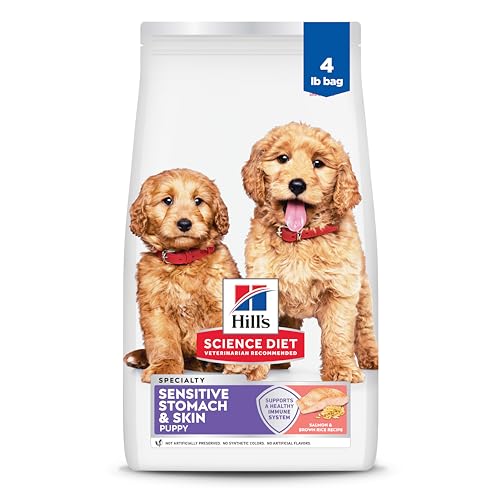
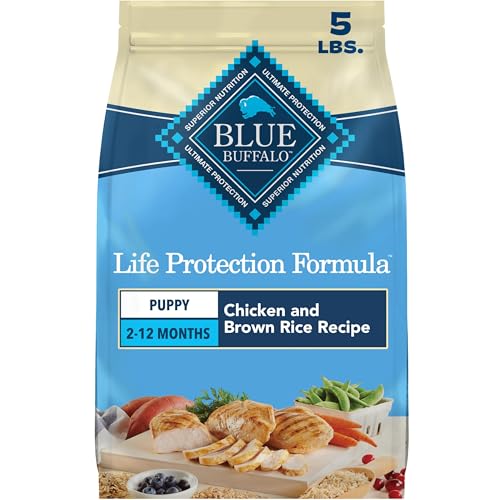
For most Samoyed puppies, our top overall pick is Purina Pro Plan Puppy Chicken & Rice Formula. It lists chicken as the first ingredient, carries an AAFCO complete and balanced statement for growth, includes guaranteed live probiotics, and provides the protein and fat levels that suit an active medium to large breed pup. If your Samoyed has a sensitive stomach, Hill’s Science Diet Puppy Sensitive Stomach & Skin is an easier-to-digest choice with added omega fats for the coat. On a tighter budget, Diamond Naturals Puppy Formula covers the essentials at a lower cost per pound, while Royal Canin Medium Puppy suits owners who want size-targeted kibble, and Blue Buffalo Life Protection Formula Puppy Chicken & Brown Rice is our grain-inclusive favorite for owners avoiding legume-heavy recipes.
What to consider for Puppy Food For Samoyed
Samoyeds are a medium to large spitz breed, with most adults landing in the 35 to 65 pound range, so a growing puppy benefits from food formulated for medium or large breed growth rather than an all-life-stages product. The key concern with larger-breed puppies is controlled calcium and a steady, not rapid, growth curve, which may help support healthy joint and skeletal development. Always ask your veterinarian about the right growth pace for your individual dog.
Samoyeds also carry a thick double coat that needs ongoing nutritional support, so omega-3 and omega-6 fatty acids from sources like fish oil or flaxseed are worth looking for. The breed can be prone to sensitive digestion and to certain inherited conditions, so a recipe with a clearly named protein, sensible fat, and good digestibility is a practical starting point. As an active, energetic breed, growing Samoyed puppies need enough calories to fuel play without tipping into excess weight that stresses developing joints.
What to look for in a dog food
Start with the label. Look for an AAFCO complete and balanced statement for growth (or for “all life stages”), and for a large-breed pup, confirm it includes the phrase covering growth of large size dogs where the breed warrants it. The first ingredient should be a named meat such as chicken, lamb, salmon, or beef, not a vague “meat” or “animal” term.
For practical ranges, many quality puppy foods land around 26 to 32 percent crude protein and roughly 12 to 18 percent fat on a dry-matter basis, with calorie density often near 350 to 450 kcal per cup. These are general guideposts, not medical rules, and the right numbers depend on your puppy’s body condition, activity, and growth rate. Because a Samoyed grows into a medium to large adult, prioritize a formula labeled for medium or large breed growth with controlled calcium. Joint and omega support, such as added EPA and DHA, fish oil, or flaxseed, is a sensible extra for a coated, active breed. Talk to your veterinarian before adding any supplement.
How we chose these picks
- We confirmed each food carries an AAFCO complete and balanced statement appropriate for growth or all life stages.
- We required a clearly named meat or fish as the first listed ingredient.
- We favored formulas suitable for medium or large breed puppies with controlled calcium for steady growth.
- We compared protein, fat, and calorie levels against practical ranges for an active, growing breed.
- We looked for added omega fatty acids to support skin and a heavy double coat.
- We weighed digestibility and sensitive-stomach options, since the breed can have a delicate gut.
- We checked brand recall history and manufacturer transparency using publicly available information.
- Never ranked a product higher just because it pays a commission.
What to avoid
- An unnamed “meat meal” or generic “animal protein” as the only protein source, since you cannot verify the quality or species.
- Defaulting to grain-free or legume-heavy recipes. The FDA investigation into a potential link between certain diets and canine dilated cardiomyopathy is ongoing, and a grain-inclusive recipe is the safer default unless your veterinarian advises otherwise.
- Feeding an all-life-stages food to a large-breed puppy without checking calcium and growth suitability, which may not support a steady growth curve.
- Abrupt diet switches. Transition over about 7 to 10 days by gradually mixing old and new food to reduce the chance of stomach upset.
For more breed-specific advice, browse our dog guides, dig deeper into formulas in our dog food section, and review wellness basics in dog health.