Quick answer
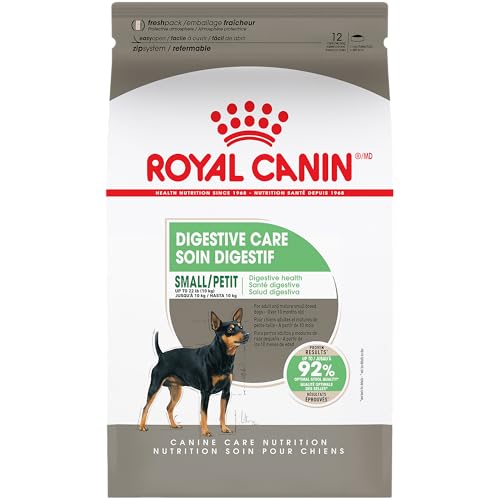
The best overall puppy food for weight loss is Hill’s Science Diet Puppy Healthy Development Small Bites, which provides balanced nutrition with moderate calories and L-carnitine to support healthy metabolism. For a budget-friendly option, Purina Pro Plan Puppy Focus Brain Development is a solid choice with slightly higher protein. If your puppy has a sensitive stomach, Royal Canin Puppy Digestive Care is excellent but higher in fat, so portion control is key.
What to consider for Puppy Food For Weight Loss
Puppies need more calories per pound than adult dogs because they are growing, but overweight puppies require a careful balance: enough nutrients for development without excess calories. Look for a food labeled for puppies (or all life stages) with moderate fat (12 to 17 percent) and controlled calories (around 350 to 400 kcal per cup). Avoid foods with high fat or excessive treats. Large-breed puppies have special needs to prevent orthopedic issues, so choose a large-breed formula if applicable. Always consult your vet before starting a weight loss plan.
What to look for in a dog food
Choose a food that meets AAFCO nutrient profiles for growth or all life stages. The first ingredient should be a named meat source (e.g., chicken, lamb). Protein should be around 25 to 30 percent, fat 12 to 17 percent, and calories 350 to 400 kcal per cup. For large-breed puppies, ensure calcium and phosphorus levels are within AAFCO large-breed guidelines. Look for added L-carnitine to aid fat metabolism, and omega-3 fatty acids for joint health. Avoid foods with excessive fillers like corn or soy.
How we chose these picks
- Evaluated ingredient lists for named protein sources and appropriate fat and calorie levels for weight loss.
- Checked that each product meets AAFCO nutrient profiles for puppies or all life stages.
- Considered brand reputation, including adherence to WSAVA guidelines and quality control.
- Read customer reviews for palatability and reported weight loss results.
- Compared price per pound to ensure value.
- Focused on products widely available on Amazon.
- Consulted veterinary nutrition resources for guidance on safe weight loss in puppies.
- Never ranked a product higher just because it pays a commission.
What to avoid
- Avoid foods with unnamed meat meal (e.g., “meat meal”) as the primary protein source.
- Do not default to grain-free or legume-heavy recipes; the FDA is investigating a potential link to DCM. Grain-inclusive is generally safer unless your vet advises otherwise.
- Do not feed an all-life-stages food to a large-breed puppy, as calcium levels may be too high.
- Avoid abrupt diet switches; transition over 7 to 10 days to prevent digestive upset.
For more guides, visit our dog guides, dog food, and dog nutrition sections.