Quick answer
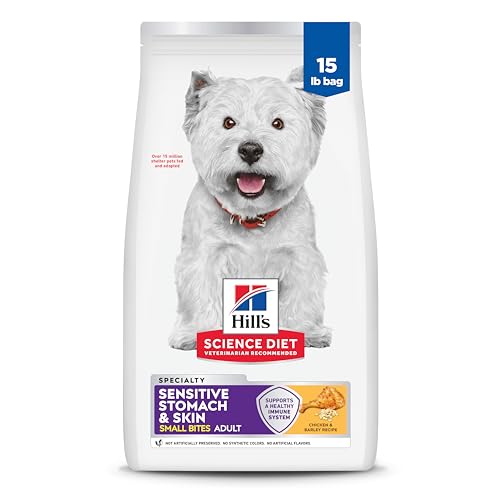
Our editorial team recommends Purina Pro Plan Puppy Sensitive Skin & Stomach Salmon & Rice Formula as the best overall for puppies with yeast issues. Its salmon-based recipe provides a novel protein source, while probiotics and omega fatty acids support skin health and digestion. For a more budget-friendly option, consider Diamond Naturals Puppy Formula with probiotics and antioxidants. If your puppy has severe food sensitivities, Hill’s Science Diet Puppy Sensitive Stomach & Skin Chicken & Barley Recipe is a grain-inclusive choice with prebiotic fiber.
What to consider for Puppy Food For Yeast Issues
Yeast overgrowth in puppies often stems from food allergies, environmental allergens, or a compromised immune system. When selecting a food, prioritize limited ingredient diets (LID) with a single novel protein source like salmon, venison, or duck. Avoid common triggers such as chicken, beef, corn, wheat, and soy. Look for formulas with added probiotics and omega-3 fatty acids (from fish oil or flaxseed) to support skin barrier function and reduce inflammation. Also, ensure the food is AAFCO-approved for growth and contains appropriate calcium-to-phosphorus ratios for large-breed puppies if applicable. Always consult your veterinarian before making dietary changes, as yeast issues may require medical treatment.
What to look for in a dog food
When choosing a puppy food for yeast issues, look for an AAFCO statement confirming it is complete and balanced for growth. The first ingredient should be a named meat or fish (e.g., salmon, lamb, duck) rather than a generic “meat meal”. Protein content should be moderate (22-32% dry matter) to avoid excess that may fuel yeast. Fat levels around 12-18% provide energy without overloading. For large-breed puppies, calcium levels should be within 0.8-1.2% to support proper bone development. Omega-3 and omega-6 fatty acids from fish oil or flaxseed help reduce inflammation. Probiotics (e.g., dried Bacillus coagulans fermentation product) and prebiotic fiber (e.g., beet pulp, chicory root) promote gut health. Avoid foods with artificial colors, flavors, or preservatives.
How we chose these picks
- Evaluated ingredient lists for novel proteins and limited ingredients to minimize allergy triggers.
- Checked for AAFCO nutritional adequacy statements for the growth life stage.
- Prioritized formulas with added probiotics and omega fatty acids for skin and digestive support.
- Considered brand reputation, manufacturing quality control, and recall history.
- Reviewed customer feedback for palatability and reported improvements in skin/coat condition.
- Selected a range of price points to accommodate different budgets.
- Never ranked a product higher just because it pays a commission.
What to avoid
- Avoid foods with unnamed “meat meal” as the primary protein source; choose named meals like salmon meal or duck meal.
- Do not default to grain-free or legume-heavy recipes unless your veterinarian specifically recommends them due to the ongoing FDA investigation into a potential link between certain diets and canine dilated cardiomyopathy (DCM). Grain-inclusive is generally safer.
- Avoid all-life-stages foods for large-breed puppies, as they may have inappropriate calcium levels for proper bone growth.
- Do not switch your puppy’s food abruptly; transition over 7 to 10 days by gradually mixing old and new food to prevent digestive upset.
For more guidance, explore our dog guides, dog food, and dog health resources.