Quick answer
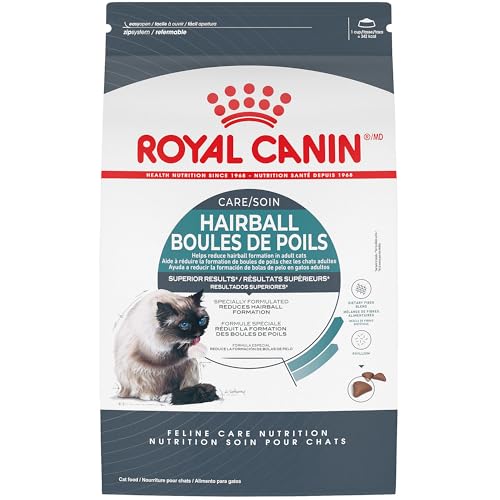
Our top pick is Royal Canin Hairball Care Dry Cat Food, which uses a blend of fibers to help reduce hairball formation while providing complete nutrition. It is a great choice for most cats. For cats with sensitive stomachs, Hill’s Science Diet Adult Hairball Control is a solid alternative. If you prefer wet food, Purina Pro Plan Hairball Management Salmon Entree offers high moisture and fiber.
What to consider for Salmon Cat Food For Hairballs
Hairballs occur when cats ingest hair during grooming and it accumulates in the digestive tract. Salmon cat food for hairballs should include adequate fiber (such as cellulose or psyllium) to help move hair through the system. Omega-3 fatty acids from salmon support skin and coat health, reducing shedding and hair ingestion. Look for a recipe with named salmon as the first ingredient, balanced fiber content (around 2-5% crude fiber), and AAFCO complete and balanced statement for your cat’s life stage. Wet food can provide additional moisture to aid digestion.
What to look for in a cat food
First, ensure the food meets AAFCO nutrient profiles for the appropriate life stage (adult, kitten, or senior). The first ingredient should be a named meat like salmon, providing high-quality animal protein. Cats require taurine, an essential amino acid; look for it in the guaranteed analysis. Wet food helps maintain urinary health by increasing water intake. For hairball control, fiber sources like cellulose or beet pulp are beneficial. Choose a food suited to your cat’s age and health condition, and consult your veterinarian for specific needs.
How we chose these picks
- We evaluated products based on publicly available ingredient lists and guaranteed analysis.
- We prioritized foods with named salmon as the first or primary protein source.
- We checked for adequate fiber content (typically 2-5% crude fiber) to support hairball reduction.
- We considered the presence of omega fatty acids for skin and coat health.
- We ensured each product is AAFCO complete and balanced for the stated life stage.
- We reviewed brand reputation and history of recalls.
- We compared price per pound to offer options for different budgets.
- Never ranked a product higher just because it pays a commission.
What to avoid
- Avoid foods where the first ingredient is a vague meat meal or by-product; choose named meats like salmon.
- Do not select a food with insufficient animal protein (less than 30% crude protein for adult cats).
- Ensure the food contains added taurine; taurine deficiency can cause serious health issues.
- Be cautious with all-life-stages foods for kittens or seniors; they may not meet specific requirements.
- Avoid abrupt diet changes; transition over 7-10 days to prevent digestive upset.
For more guidance, explore our cat guides, cat food, and cat health resources.


