Quick answer
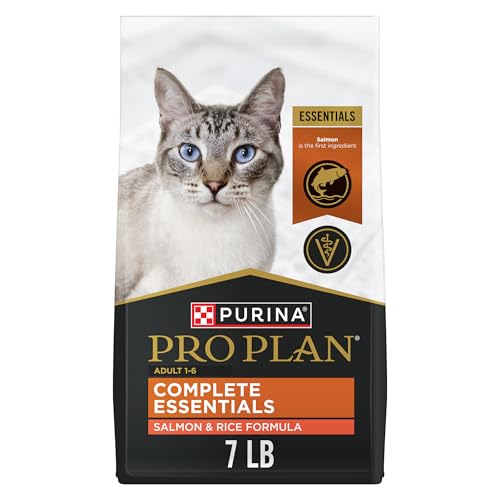
Our top pick for salmon cat food for weight gain is Purina Pro Plan High Protein Salmon & Rice Formula. It offers 40% protein from real salmon, plus extra calories to help underweight cats build muscle. For cats with sensitive stomachs, Blue Buffalo Wilderness Salmon provides grain-free, easily digestible protein. Budget-conscious owners should consider Fancy Feast Salmon Pate, a wet food that adds moisture and calories.
What to consider for Salmon Cat Food For Weight Gain
When choosing a salmon cat food for weight gain, prioritize calorie density and protein content. Look for formulas with at least 400 kcal per cup (dry) or 150 kcal per 3-oz can (wet). Salmon should be the first ingredient, providing high-quality animal protein and omega-3 fatty acids that support healthy skin and coat. Also consider the cat’s life stage: kittens and active adults need more calories, while seniors may require easily digestible proteins. Wet food can help with hydration and is often more palatable for picky eaters. Always check the AAFCO statement to ensure the food is complete and balanced for your cat’s life stage.
What to look for in a cat food
First, ensure the food has an AAFCO statement confirming it is complete and balanced for the appropriate life stage (growth, maintenance, or all life stages). The first ingredient should be a named meat source like salmon, not a by-product or meal. Cats require high animal protein (at least 30% dry matter) and taurine, an essential amino acid added to all commercial cat foods. Wet food (canned) provides moisture that supports urinary tract health, while dry food is more calorie-dense. Choose a formula suited to your cat’s age, activity level, and any health conditions. For weight gain, look for higher fat content (around 20% dry matter) to increase calorie density.
How we chose these picks
- Evaluated products based on ingredient quality, with salmon as the primary protein source.
- Checked AAFCO nutritional adequacy statements for life-stage appropriateness.
- Compared calorie density and protein content to support weight gain.
- Considered brand reputation and manufacturing quality standards.
- Read customer feedback for palatability and digestive tolerance.
- Focused on products widely available on Amazon for reader convenience.
- Consulted veterinary nutrition guidelines for safe weight gain.
- Never ranked a product higher just because it pays a commission.
What to avoid
- Avoid foods with unnamed meat sources or low animal protein content (below 30%).
- Steer clear of recipes that do not include taurine or have insufficient levels.
- Do not assume an all-life-stages food is ideal for kittens or seniors without checking specific nutrient profiles.
- Avoid abrupt diet switches; transition over 7 to 10 days to prevent digestive upset.
For more guidance, explore our cat guides, including cat food and cat health resources.


