Quick answer
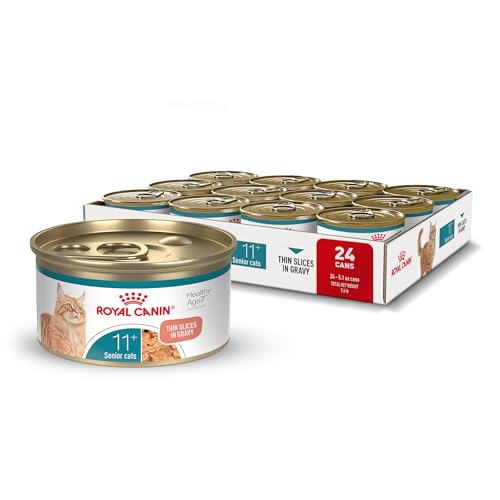
The best salmon cat food without fish is Wellness CORE Grain-Free Salmon & Chicken Meal Dry Cat Food. It features salmon as the first ingredient with no other fish, high protein, and probiotics for digestion. For cats with sensitive stomachs, consider Blue Buffalo Basics Salmon & Potato Limited Ingredient Diet. If you need a budget-friendly option, Purina ONE True Instinct Salmon & Tuna (but note it contains tuna; for strictly no fish, skip this). For wet food, Tiki Cat Aloha Friends Salmon & Chicken in Gravy is a great choice. For kittens, Royal Canin Feline Health Nutrition Thin Slices in Gravy Salmon & Tuna (contains tuna; better to choose a kitten formula without fish).
What to consider for Salmon Cat Food Without Fish
When choosing a salmon cat food without fish, ensure the recipe uses salmon as the sole fish source and does not include fish meal, fish oil, or other fish ingredients. This is crucial for cats with fish allergies or sensitivities. Check the ingredient list for terms like “salmon meal” (acceptable if from salmon only) but avoid “fish meal” or “menhaden fish meal.” Also consider the life stage: kittens need higher protein and DHA, while seniors may benefit from joint support. Wet food can provide extra moisture for urinary health.
What to look for in a cat food
Look for an AAFCO statement confirming the food is complete and balanced for your cat’s life stage (growth, maintenance, or all life stages). The first ingredient should be a named meat source, like salmon or chicken. Ensure adequate animal protein (typically 30-50% dry matter) and taurine supplementation (essential for heart and eye health). Moisture content matters: wet food (75-85% moisture) supports urinary health, while dry food (10% moisture) is more convenient. Choose a formula tailored to your cat’s age, health, and activity level.
How we chose these picks
- Evaluated ingredient lists to confirm salmon is the primary fish source and no other fish are included.
- Checked for AAFCO nutritional adequacy statements for the appropriate life stage.
- Prioritized named meat sources (e.g., salmon, chicken) over by-products or unnamed meats.
- Considered protein and fat content to meet feline nutritional needs.
- Reviewed customer feedback for palatability and digestive tolerance.
- Selected products from reputable brands with quality control and feeding-data reviews.
- Included a range of formats (dry, wet) and price points.
- Never ranked a product higher just because it pays a commission.
What to avoid
- Avoid foods with unnamed meat sources (e.g., “poultry meal”) or too little animal protein (less than 30% dry matter).
- Steer clear of recipes that lack taurine supplementation or have insufficient levels.
- Do not default to all-life-stages food for kittens or seniors without checking if it meets their specific needs (e.g., higher calcium for kittens).
- Avoid abrupt diet switches; transition over 7-10 days to prevent digestive upset.
For more guidance, explore our cat guides, cat food, and cat health resources.