Quick answer
The best pick for most dogs with anal gland issues is Purina Pro Plan Sensitive Skin & Stomach Salmon & Rice Formula. It combines easily digestible salmon with prebiotic fiber to promote firm stools and regular gland expression. For dogs needing higher fiber, Hill’s Science Diet Adult Sensitive Stomach & Skin is a strong alternative. Budget-conscious owners can consider Diamond Naturals Salmon & Potato.
What to consider for Salmon Dog Food For Anal Gland Issues
Anal gland problems often stem from soft or irregular stools that fail to naturally express the glands during defecation. A diet rich in high-quality protein like salmon and adequate fiber helps produce firmer, more consistent stools. Salmon provides omega-3 fatty acids that support skin health and reduce inflammation, which may benefit the anal sacs. Look for recipes with moderate fat content (12 to 18 percent on a dry matter basis) to avoid loose stools. Avoid foods with excessive fillers or artificial additives that can irritate sensitive digestive systems.
What to look for in a dog food
First, ensure the food meets AAFCO nutrient profiles for your dog’s life stage (adult maintenance, growth, or all life stages). The first ingredient should be a named meat source, like salmon or salmon meal. Protein content around 25 to 30 percent is typical for adult dogs; fat should be in the 12 to 18 percent range. Fiber from sources like beet pulp, pumpkin, or oats (3 to 5 percent crude fiber) can help stool firmness. For large breeds, check that calcium and phosphorus levels are appropriate for bone health. Omega-3 fatty acids from fish oil support skin and coat health, which may indirectly help anal gland function.
How we chose these picks
- We reviewed ingredient quality, focusing on named salmon as the primary protein source.
- We analyzed guaranteed analysis for protein, fat, and fiber to match needs for anal gland health.
- We considered brand reputation and adherence to AAFCO standards.
- We evaluated customer feedback on stool quality and palatability.
- We prioritized formulas with prebiotic fibers like dried fermentation products or chicory root.
- We compared price per pound to offer options across budgets.
- We checked for inclusion of omega-3 fatty acids from natural sources.
- Never ranked a product higher just because it pays a commission.
What to avoid
- Avoid foods where the primary protein is an unnamed “meat meal” or by-product meal.
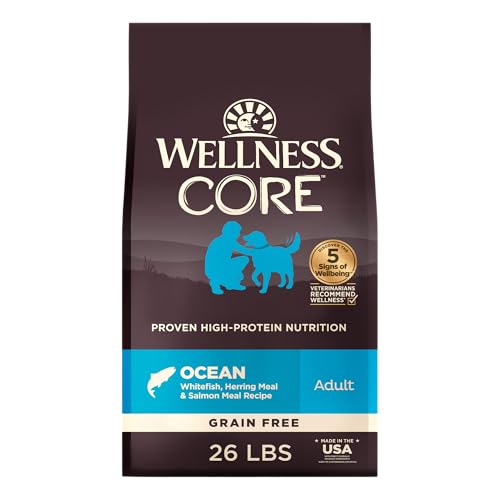
- Be cautious with grain-free or legume-heavy recipes; the FDA continues to investigate a potential link between these diets and canine dilated cardiomyopathy (DCM). Grain-inclusive formulas are generally a safer default unless your vet advises otherwise.
- Steer clear of “all life stages” foods for large-breed puppies, as they may have improper calcium levels.
- Avoid abrupt diet switches; transition over 7 to 10 days to prevent digestive upset.
For more pet care tips, check our dog guides, dog food reviews, and dog health advice.