Quick answer
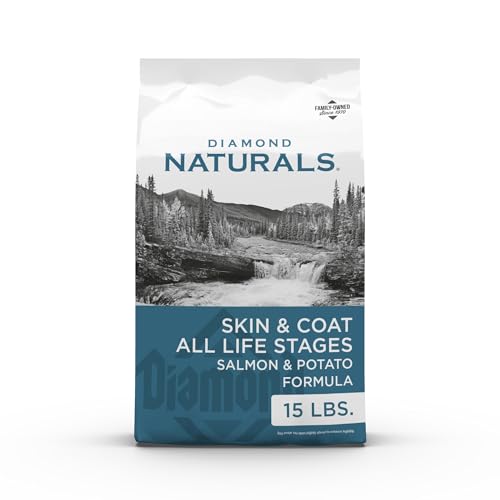
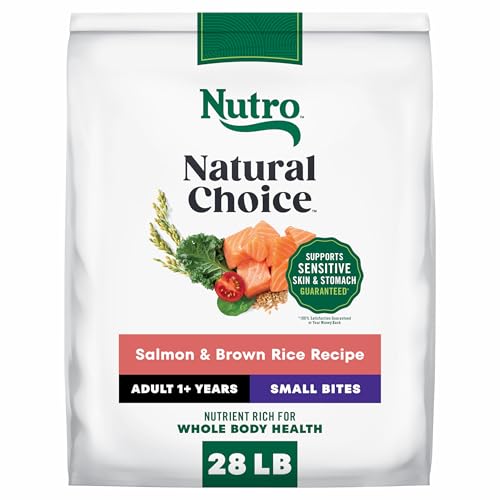
Our top pick is Purina Pro Plan High Protein Salmon & Rice Formula. It offers balanced nutrition, easy-to-store kibble, and omega fatty acids for skin and coat health. For dogs with sensitive stomachs, consider Hill’s Science Diet Sensitive Stomach & Skin Salmon & Rice. If you’re on a budget, Diamond Naturals Salmon & Rice provides quality ingredients at a lower price.
What to consider for Salmon Dog Food For RV Camping
When choosing salmon dog food for RV camping, consider storage, packaging, and your dog’s activity level. RV storage is limited, so opt for resealable bags or smaller kibble sizes. Dogs on the road may have different energy needs; adjust portions based on activity. Also, salmon is rich in omega-3 fatty acids, which support joint health and a shiny coat, beneficial for active dogs. Ensure the food is complete and balanced for your dog’s life stage.
What to look for in a dog food
Look for an AAFCO statement confirming the food is complete and balanced for your dog’s life stage (e.g., adult maintenance). The first ingredient should be a named meat like salmon. Protein content should be between 18% and 30% for adult dogs; fat between 8% and 20%. Calorie density typically ranges from 350 to 450 kcal per cup. For large breeds, ensure calcium levels are appropriate for bone health. Omega-3 and omega-6 fatty acids support skin, coat, and joint health. Avoid foods with unnamed meat meals or excessive fillers.
How we chose these picks
- Evaluated ingredient quality and nutritional adequacy based on AAFCO standards.
- Considered brand reputation and history of safety recalls.
- Selected foods with named salmon as primary protein source.
- Focused on formulas suitable for active dogs and travel convenience.
- Reviewed palatability and digestibility from customer feedback.
- Assessed packaging for resealability and portion control.
- Compared price per pound to offer options for different budgets.
- Never ranked a product higher just because it pays a commission.
What to avoid
- Avoid foods where the primary protein source is an unnamed “meat meal” or “poultry meal”.
- Do not default to grain-free or legume-heavy recipes unless recommended by a vet, as the FDA continues to investigate a potential link to canine dilated cardiomyopathy (DCM).
- All-life-stages foods may not be suitable for large-breed puppies due to inappropriate calcium levels.
- Abrupt diet switches can cause digestive upset; transition over 7 to 10 days.
For more guides, visit our dog guides and check out dog food and dog nutrition resources.