Quick answer
The PetSafe ScoopFree Ultra Self-Cleaning Litter Box is our top pick for apartments. It automatically rakes waste into a covered trap, locking in odors and reducing daily scooping. For smaller spaces or tighter budgets, the Frisco Self-Cleaning Litter Box offers a compact, reliable alternative with similar automatic cleaning.
What to consider for Self Cleaning Litter Box For Cats In Apartments
Apartment living means limited floor space, so a self-cleaning box must be compact yet effective. Odor control is critical because ventilation is often shared or limited. Noise level matters too; a quiet motor won’t disturb neighbors or skittish cats. Look for a model with a sealed waste compartment and carbon filtration to minimize smells. Also consider the box’s footprint and whether it fits in a bathroom, closet, or corner without being an eyesore. Ease of maintenance is key; you want a unit that’s simple to empty and clean without taking up too much time.
What to look for in a cat litter or litter-area product
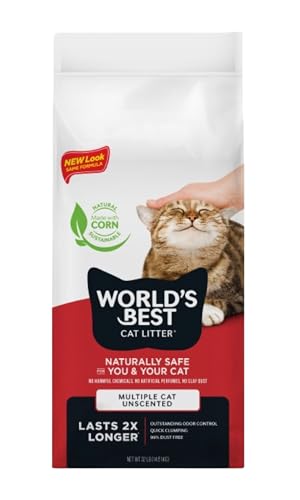
Strong clumping and odor control are essential to keep your apartment fresh. Low-dust litter protects feline airways, especially in confined spaces. Low-tracking formulas reduce litter scatter beyond the box. For multi-cat households, choose a litter that handles multiple cats without losing effectiveness. An unscented option is best for sensitive cats who may avoid heavily perfumed litter.
How we chose these picks
- Evaluated product specifications for size, noise, and odor control features.
- Compared customer feedback on reliability and ease of use in apartments.
- Considered brand reputation and availability on Amazon.
- Assessed warranty and customer support options.
- Checked for safety features like automatic shut-off and low-profile design.
- Prioritized models with sealed waste bins and carbon filters.
- Looked for compact footprints suitable for small spaces.
- Never ranked a product higher just because it pays a commission.
What to avoid
- Avoid heavily scented litters that can put cats off the box; unscented or lightly scented is safer.
- Skip high-dust clay litters for cats with breathing issues; choose low-dust or natural alternatives.
- Don’t choose a box that is too small or have too few boxes for the number of cats; follow the rule of one box per cat plus one extra.
- Avoid sudden litter changes; transition gradually over a week to prevent litter box aversion.
For more guidance, explore our cat guides, cat care products, and cat health resources.